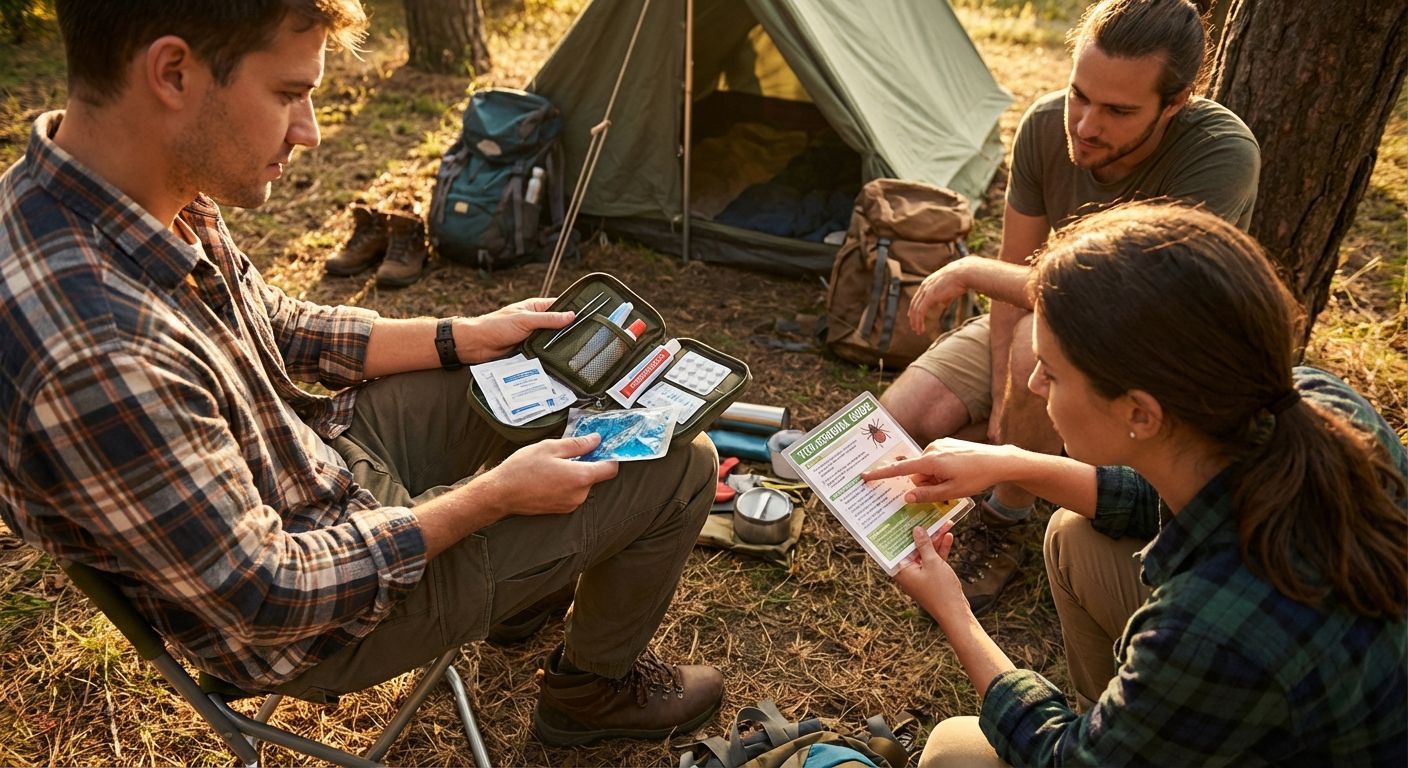
Insect bite treatment is essential knowledge for anyone who spends time outdoors. Whether you’re a weekend camper, long-distance hiker, or a seasoned backpacker, understanding how to identify, manage and prevent bites can keep a small nuisance from becoming a serious medical issue.
Why proper insect bite treatment matters
Not all bites are the same. Some cause minor irritation, while others can transmit diseases or trigger severe allergic reactions. Effective on-site care reduces pain, lowers infection risk and can prevent complications such as secondary infections or allergic reactions. This post gives a step-by-step, practical approach to insect bite treatment specifically tailored for camping situations.
Common biting and stinging insects to know
- Mosquitoes — common, can transmit diseases (e.g., malaria in some regions, West Nile virus).
- Ticks — bite silently and can transmit Lyme disease and other infections (See CDC for guidance).
- Bees and wasps — painful stings; can cause anaphylaxis in allergic people.
- Ants (including fire ants) — can deliver multiple painful stings.
- Spiders — most are harmless; a few species can cause severe local or systemic effects.
- Biting flies and midges — painful and persistent nuisance bites.
How to identify the bite or sting
Correct identification helps guide treatment. Look for these clues:
- Appearance: single puncture mark (tick, spider), grouped raised bumps (mosquitoes), a central sting with swelling and a white spot (bees/wasps).
- Symptoms: itching, burning, sharp pain, spreading redness, or systemic signs like fever or dizziness.
- Exposure history: were you camping near water (mosquitoes), in long grass (ticks), or near flowering plants/trees (bees/wasps)?
Immediate first-aid steps at the campsite
These steps are your baseline insect bite treatment for most non-life-threatening bites:
- Move to a safe area — get away from the source to avoid more bites or stings.
- Remove visible stingers or ticks:
- Bees: scrape the stinger away with a fingernail or card — don’t pinch, which can squeeze more venom.
- Ticks: remove with fine-tipped tweezers as close to the skin as possible; pull upward with steady pressure. Avoid twisting. If part remains, try to remove; if not, clean and monitor. (See CDC guidance)
- Clean the area with soap and water or an antiseptic wipe.
- Reduce swelling and pain:
- Apply a cold pack (wrapped in cloth) for 10–15 minutes.
- Elevate the affected limb if possible.
- Relieve itching:
- Topical hydrocortisone cream or calamine lotion can help.
- Oral antihistamines (e.g., diphenhydramine or cetirizine) reduce itching and allergic symptoms; follow dosing guidance.
- Protect from infection — cover the site if the skin is broken and change dressings as needed.
Field kit essentials for insect bite treatment
Pack a small first-aid kit optimized for the outdoors. Include:
- Fine-tipped tweezers and a tick removal tool
- Antiseptic wipes and small gauze pads
- Hydrocortisone cream and calamine lotion
- Oral antihistamines (non-drowsy and sedating options)
- Pain relievers (ibuprofen or acetaminophen)
- An epinephrine auto-injector (EpiPen) if you have a known severe allergy
- Cold packs or instant cold packs
When a bite becomes an emergency
Some reactions require immediate medical attention. Seek emergency care if you experience:
- Signs of anaphylaxis: difficulty breathing, swelling of the face or throat, rapid pulse, dizziness, fainting — use epinephrine immediately if available and call emergency services.
- Symptoms of infection: increasing redness, warmth, pus, red streaks moving away from the bite, fever.
- Neurological or systemic symptoms: severe headache, high fever, muscle weakness, joint pain, or a spreading rash—these can indicate tick-borne or other systemic infections.
- Suspected spider bites from dangerous species (e.g., in regions with brown recluse or widow spiders) with severe pain, tissue breakdown, or systemic illness.
If in doubt, get evaluated—especially when you’re far from follow-up care. Consider evacuation if symptoms worsen or you can’t manage the reaction in the field. For more information on tick illnesses and when to seek care, see the CDC for guidance.
Specific treatments by bite type
Mosquitoes and biting flies
Usually cause itching and mild swelling.
- Cold compresses, topical hydrocortisone, and oral antihistamines are effective.
- Avoid scratching to reduce infection risk.
Tick bites
Remove the tick promptly. Monitor the site for a rash (including the bull’s-eye rash of Lyme disease) and systemic signs for at least 30 days. If you develop symptoms—fever, headache, joint pain—seek prompt medical attention. You may need antibiotic treatment depending on exposure and local disease prevalence.
Bee, wasp, and hornet stings
- Remove stinger if present, clean, and apply cold compresses.
- For large local reactions, antihistamines and oral corticosteroids (if prescribed) may help.
- Those with known venom allergies must carry an epinephrine auto-injector and seek emergency care after any systemic reaction.
Ant bites and fire ants
These can deliver multiple painful stings. Clean, cold packs and topical steroids help; watch for allergic reactions.
Spider bites
Most are minor; treat like other bites. Suspect a dangerous spider when severe pain, spreading necrosis or systemic symptoms occur—seek medical care.
Prevention strategies for campers and hikers
Prevention is the most effective form of insect bite treatment—avoid bites before they happen. Practical measures include:
- Clothing: wear long sleeves, long pants, and gaiters; tuck pants into socks in tick country.
- Permethrin-treated clothing and gear: apply permethrin to clothing, tents and backpacks (do not apply directly to skin).
- Use EPA-registered insect repellents containing DEET, picaridin or oil of lemon eucalyptus on skin as directed.
- Camp placement: avoid tall grass, stagnant water and flowering shrubs at dawn/dusk when insects are active.
- Bednet and shelter precautions: use mesh screens and nets where appropriate, and keep tents zipped.
- Inspect your body and gear frequently for ticks—particularly after hiking in brushy areas.
Longer-term considerations and follow-up
If a bite shows signs of infection or you develop systemic symptoms, document the event (date, location, a photo of the bite) and seek medical advice. If you’re traveling in areas where specific vector-borne diseases are prevalent, check regional health recommendations and consider prophylactic measures when appropriate.
For regional medical recommendations regarding insect-borne illnesses, consult resources such as the World Health Organization and local public health agencies. For symptom guidance and treatment options, organizations like the Mayo Clinic and NHS offer reliable information.
Practical tips for the trail and campsite
- Include a laminated quick-reference card in your kit that lists steps for anaphylaxis, tick removal and signs of infection.
- Practice removing a tick at home before you need to do it in the field.
- Share knowledge within your group—ensure someone knows how to use an epinephrine auto-injector if needed.
- Keep a small daily log while on extended trips to note any bites and developing symptoms.
Summary and final recommendations
Knowing how to perform proper insect bite treatment can make the difference between a short-lived annoyance and a trip-ending complication. Key takeaways:
- Be prepared: pack a bite-ready first-aid kit and know how to use it.
- Identify and act quickly: remove stingers or ticks promptly, clean the area and manage symptoms with cold, topical treatments, and antihistamines.
- Recognize emergencies: severe allergic reactions, signs of infection or systemic illness require immediate medical attention.
- Prevent bites: use protective clothing, repellents and campsite practices to minimize exposure.
Stay safe and prepared—your awareness and timely action are the best form of protection when you’re out in the wilderness.