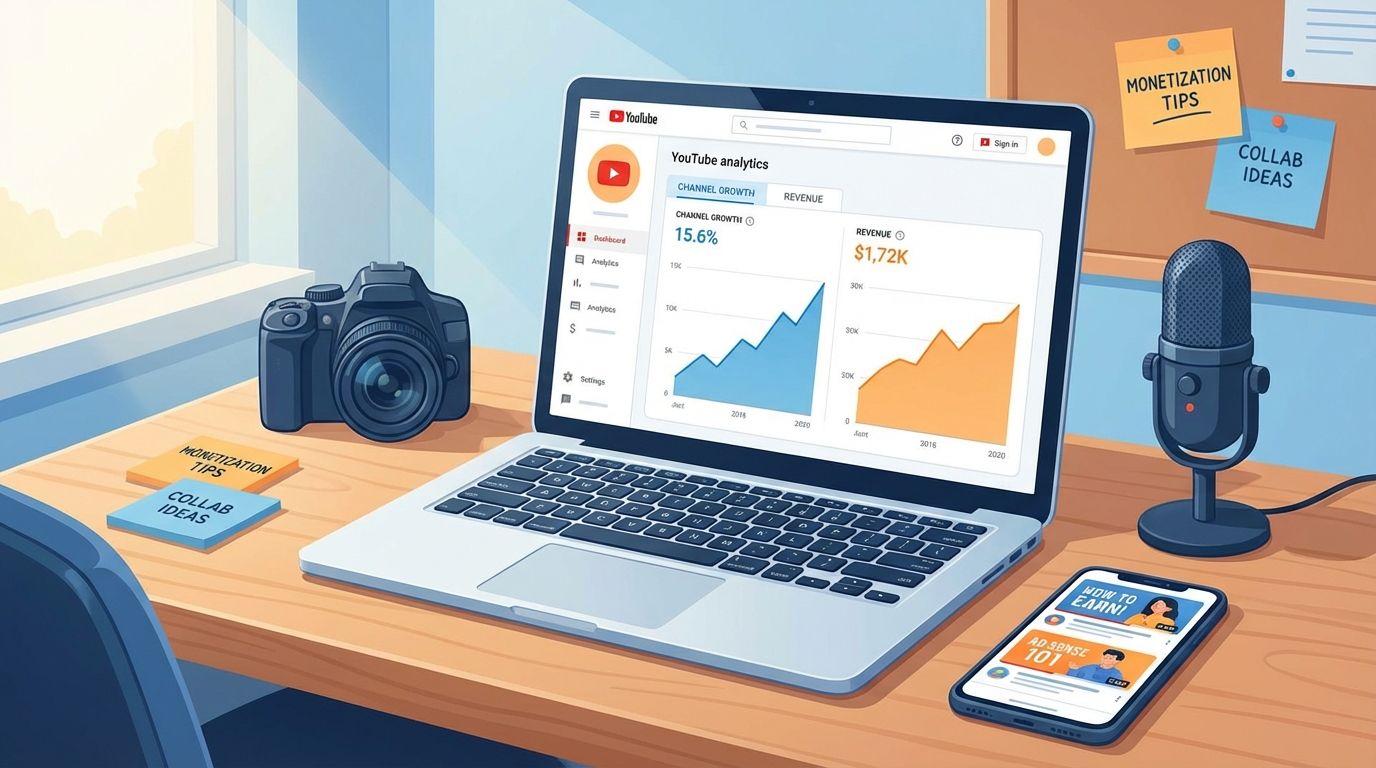
Monetize a YouTube channel is the goal for many creators and entrepreneurs — and it’s achievable with a clear plan, consistent effort, and the right optimizations. This guide walks you through every stage, from setting up your channel and creating valuable content to meeting the YouTube Partner Program (YPP) thresholds and building multiple income streams.
Why Monetization Matters and What to Expect
Monetizing your channel turns passion into profit. However, consistent revenue rarely comes overnight. Expect a phased journey: build audience and watch time, qualify for YPP, and then expand with diversified monetization. YouTube monetization is not just ads; it’s a combination of ads, memberships, sponsorships, affiliate marketing, merchandise, and more.
Before You Start: Core Requirements and Mindset
- Commit to value: Your priority should be helping, entertaining, or educating an audience.
- Understand YPP: You must meet the YouTube Partner Program requirements — 1,000 subscribers and 4,000 public watch hours in the last 12 months (or 10 million Shorts views) — plus follow all YouTube policies. See YouTube’s official guide: YouTube Partner Program requirements.
- Set realistic milestones: Plan for audience growth, not instant cash.
Step 1 — Set Up Your Channel for Success
Channel basics
- Choose a clear channel name and niche that aligns with your expertise and audience demand.
- Create a compelling channel banner and logo to build trust and brand recall.
- Write an SEO-optimized channel description that includes your primary phrase to help discoverability; e.g., include monetize a YouTube channel in natural context.
Essential accounts and settings
- Enable 2-step verification on your Google account.
- Set up a Google AdSense account (required once you are accepted into YPP). Learn more: AdSense setup.
- Customize your channel sections and feature a strong trailer for new visitors.
Step 2 — Content Strategy That Attracts and Retains Viewers
Your ability to monetize a YouTube channel depends on creating videos that people watch and share. Focus on these pillars:
Audience and niche selection
- Research demand: use tools like Google Trends, YouTube search suggestions, and keyword planners to find topics.
- Validate ideas with short tests: publish 3–5 videos on a subtopic, track performance, and double down on winners.
Content formats that scale
- Tutorials and how-tos — high search intent and long watch time.
- Case studies and results — social proof and authority builders.
- Shorts and highlights — fast discoverability and subscriber growth.
Production checklist
- Good audio > perfect video. Invest in a microphone.
- Clear thumbnails and concise titles that include target keywords.
- Hook viewers in the first 15 seconds to increase retention.
Step 3 — YouTube SEO and Optimization
Optimizing videos increases visibility and watch time, two factors that accelerate your path to monetization.
Title, description, and tags
- Include your primary keyword naturally in the title and early in the description (monetize a YouTube channel).
- Use the description to expand on the video topic, add chapter timestamps, external links, and affiliate links when relevant.
- Tags are less critical but still help: use a mix of broad and specific tags.
Thumbnails and end screens
- Create clickable thumbnails with clear faces or graphics and readable text.
- Use end screens and cards to increase session time by linking to related videos.
Encourage engagement
- Ask viewers to like, comment, and subscribe — but focus on driving meaningful comments by asking specific questions.
- Respond to top comments to boost conversation and signal activity to the algorithm.
Step 4 — Meet YouTube Partner Program Requirements
Hitting the YPP thresholds is a milestone. Use these tactics to accelerate growth:
- Publish consistently. A predictable schedule helps viewers return and improves ranking.
- Create video series and playlists to increase cumulative watch hours.
- Leverage Shorts strategically to boost channel exposure, then direct Shorts viewers to longer, monetizable videos.
Step 5 — Monetization Methods (Beyond Ads)
Once you qualify for YPP, ads become available, but the most resilient channels combine multiple revenue streams.
1. AdSense (Ads)
- Revenue depends on CPM, viewer location, content category, and watch time.
- This creates a baseline income but can fluctuate month-to-month.
2. Channel Memberships and Super Chat
- Offer exclusive badges, emojis, and members-only content to increase recurring revenue.
- Live streams with Super Chat can generate spikes in income and engagement.
3. Merchandise and Products
- Sell branded merchandise or digital products (courses, templates) to capture higher margins.
- Use platforms like Teespring or Shopify and promote them in video descriptions.
4. Sponsorships and Brand Deals
- Brands pay creators for exposure — start with micro-sponsorships once you have a focused audience and consistent views.
- Prepare a media kit with audience demographics, average views, and engagement.
5. Affiliate Marketing
- Promote products you trust and earn commissions. Include clear disclosures.
6. YouTube Premium Revenue and Shorts Fund
- YouTube Premium contributes based on watch time share. Shorts fund and other programs may offer additional payouts.
Step 6 — Diversify and Scale
To build reliable income, diversify revenue and scale operations.
- Repurpose content: Turn long tutorials into highlight clips and Shorts to capture new audiences.
- Outsource: Hire editors or VA help to maintain consistency as you grow.
- Analyze metrics: Use YouTube Analytics to track watch time, retention, traffic sources, and revenue breakdown.
90-Day Action Plan to Start Earning
- Days 1–14: Set up channel, branding, and 6–8 video ideas. Record and publish 2–3 videos. Optimize titles/descriptions and create thumbnails.
- Days 15–45: Publish 1–2 videos weekly. Promote on social and repurpose Shorts. Build playlists and encourage watch sessions.
- Days 46–90: Double down on best-performing topics, reach out for small sponsorships, add affiliate links, and prepare a members-only offering.
Common Pitfalls and How to Avoid Them
- Chasing trends without relevance: Test trends only when aligned with your audience.
- Neglecting thumbnails and hooks: Even great content underperforms if viewers don’t click or stay.
- Relying only on ads: Ads fluctuate — always build multiple income streams.
Useful Resources and Links
- YouTube Partner Program requirements (official)
- Google AdSense setup (official)
FAQ — Quick Answers
How long until I can monetize?
It varies. Many creators reach YPP in 6–12 months with consistent uploads and optimization, but Shorts can accelerate the timeline through high view counts.
Can I monetize without YPP?
Yes. You can use affiliate links, sponsorships, and sell products even before joining YPP. However, ad revenue requires YPP and AdSense.
What’s the fastest way to increase watch hours?
Create longer value-packed videos, build playlists, and encourage binge-watching by linking to related content.
Conclusion — A Practical Path to Monetization
To monetize a YouTube channel from scratch, follow a consistent plan: set up a brand-focused channel, create high-value content, optimize for search and retention, meet YPP thresholds, and diversify revenue streams. Track your metrics, iterate on what works, and invest in the parts of your channel that scale. Monetization is a marathon — with the right strategy, you can build sustainable income from YouTube.
Checklist to start:
- Channel and brand setup
- Content plan with 10+ videos
- SEO-optimized titles and descriptions
- Consistent publishing schedule
- Monetization roadmap including ads, affiliates, and sponsorships