History of the Samurai: Beyond Warriors — Cultural, Social & Philosophical Roles

Samurai in lacquered armor standing contemplatively at dawn near a misty cedar forest with a distant feudal castle in the background.

The history of the samurai traces a complex evolution from provincial warriors to cultural icons who shaped Japan’s social structures and moral imagination. This article explores how samurai values, the bushidō code, and philosophical influences like Zen Buddhism moved them beyond mere fighters into architects of Japanese identity. Read on for an in-depth overview, key figures, and lasting legacies that still resonate in modern Japan.

Kimono vs Yukata: Understanding Their Meaning in Japanese Culture

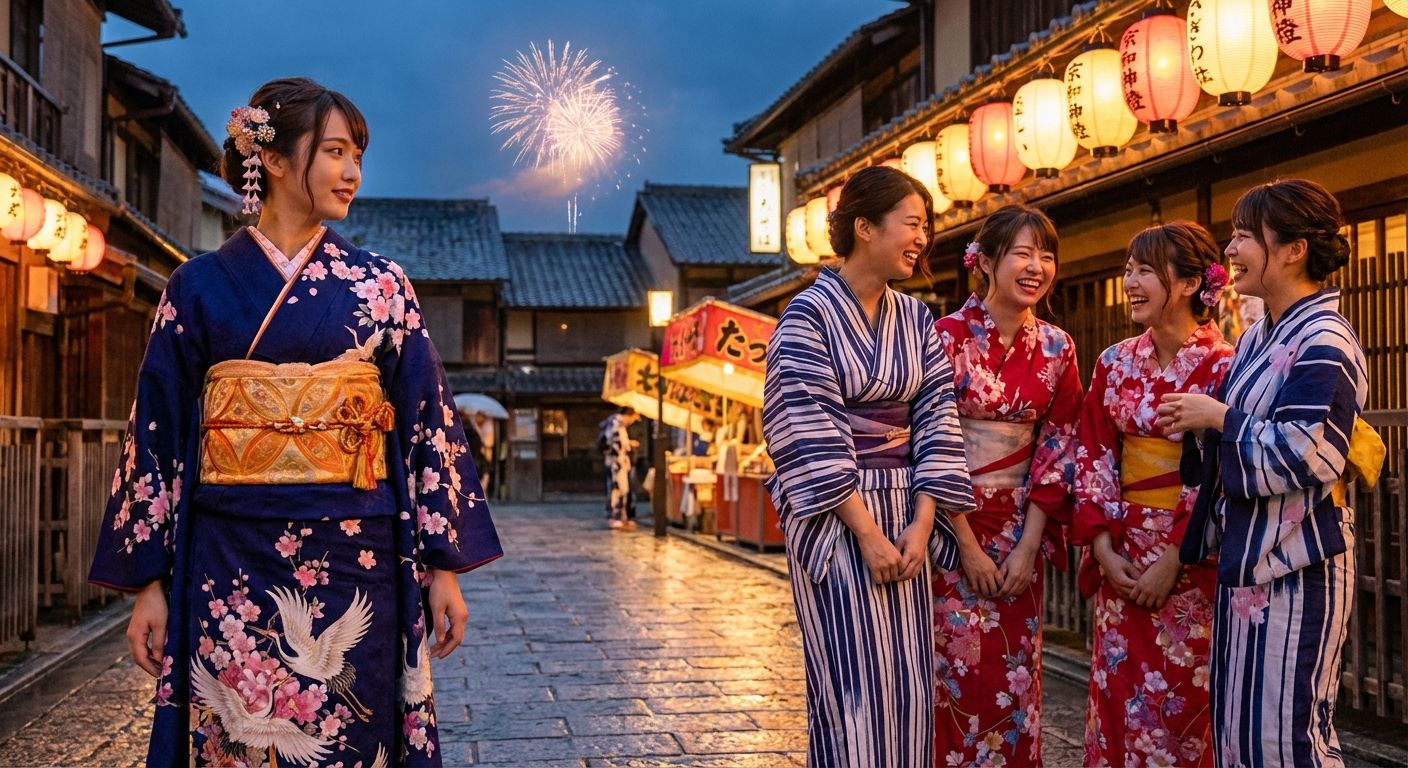
A woman in a silk kimono and friends in colorful yukata beneath glowing festival lanterns and distant fireworks

This article explores the roles of the kimono and yukata within Japanese culture, clarifying their historical origins, symbolic meanings, and social uses. Designed for students, travelers and enthusiasts, it highlights differences in materials, occasions, and etiquette to help readers appreciate these iconic garments.

Practical tips for wearing, caring and observing kimono and yukata traditions are included, along with links to trusted resources for deeper study.

How Tibetan Monks Preserve Tibet’s Cultural Identity: Religion, Manuscripts, and Monasteries

Tibetan monks in maroon and saffron robes examining illuminated manuscripts and painting a thangka in a monastery courtyard at sunrise, with Himalayan peaks in the background.

Tibetan monks play a central role in safeguarding Tibet’s cultural, religious, and historical identity through ritual practice, oral transmission, manuscript conservation, and monastery stewardship. This article examines their traditions, educational roles, and the modern challenges they face, offering concrete examples of preservation efforts and ways readers can support them.

Nara Park: Where Ancient Temples, Serene Landscapes and Friendly Deer Connect

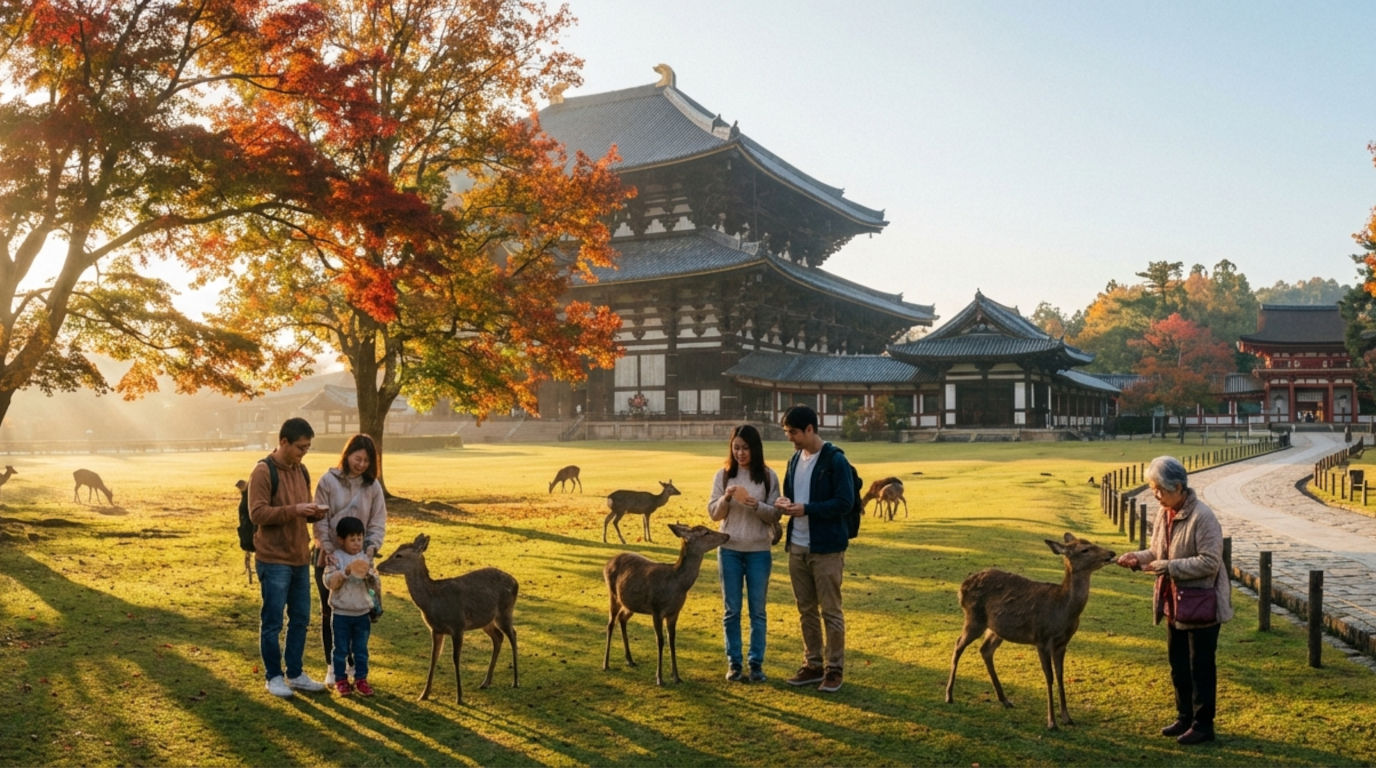
Visitors feeding sika deer on a grassy area in Nara Park with Todai-ji temple and autumn maples in the background.

Nara Park is a singular blend of rolling landscapes, sacred temples and free-roaming deer, offering an immersive taste of Japan’s cultural and natural heritage. This guide highlights the park’s top attractions, the historical importance of its temples like Todai-ji and Kasuga Taisha, and practical tips for a respectful and memorable visit.

Perfect for culture-minded travelers and nature lovers, the article outlines how to experience Nara Park responsibly and suggests must-see spots and an efficient itinerary.