Understanding the Bowing: Cultural Meaning Across Asian Countries

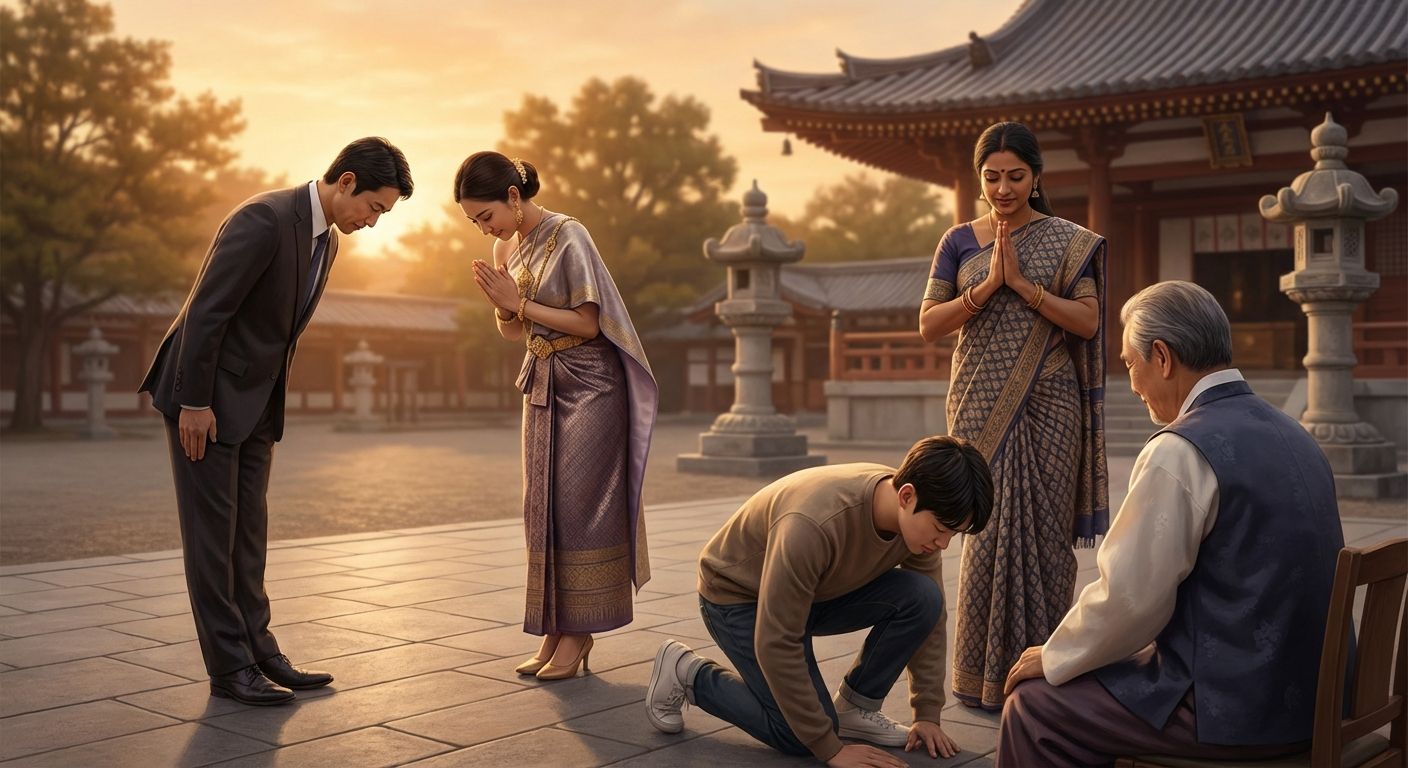
People from different Asian countries demonstrating various forms of bowing — Japanese ojigi, Thai wai, Indian namaste and Korean jeol — in a respectful temple or courtyard setting.

This article explores the cultural significance of the bowing across multiple Asian countries, explaining how variations in depth, duration and hand posture communicate respect, apology, or devotion. It highlights social contexts — from business to religion — and gives practical tips for travelers to navigate local etiquette.

The Evolution of Martial Arts in Asia: From Ancient Origins to Modern Practice

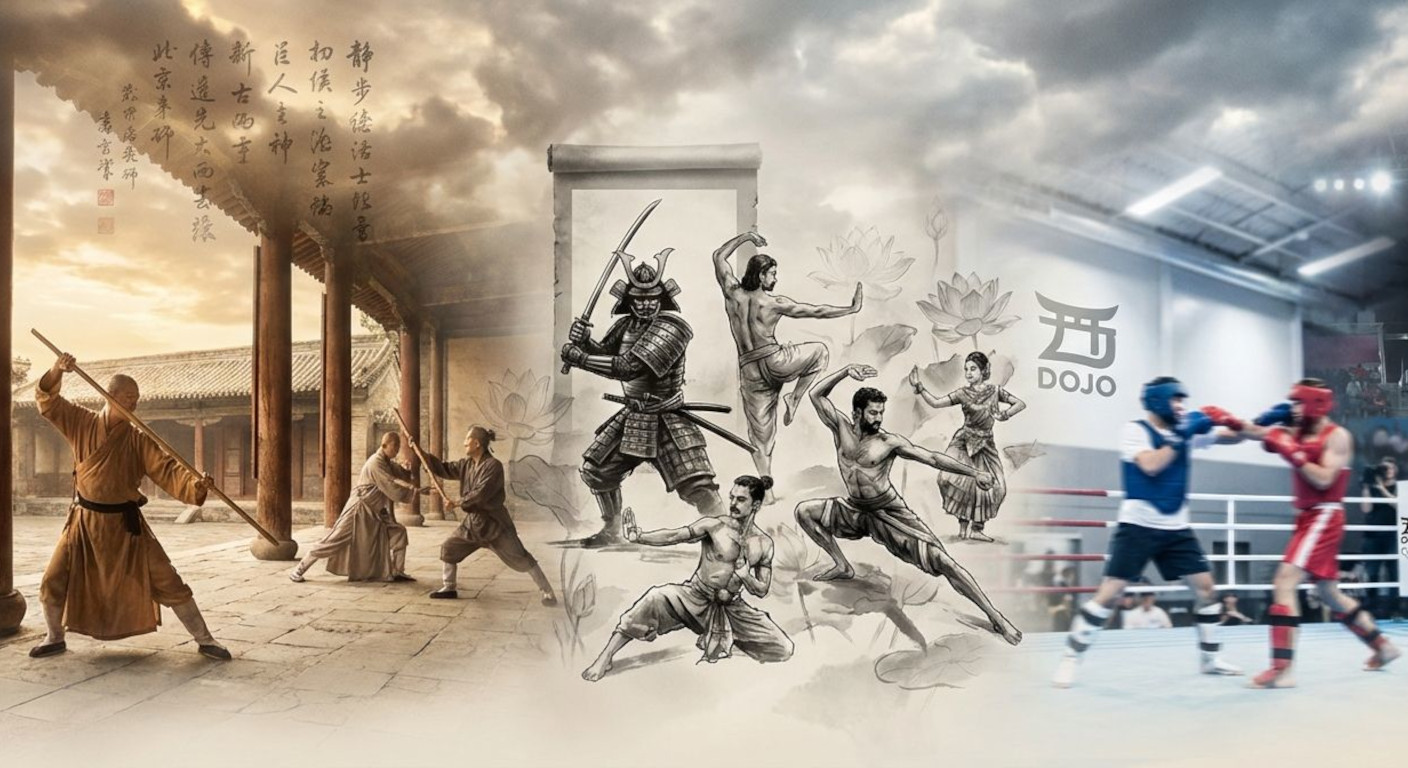
Composite image representing the evolution of Asian martial arts: temple monks, classical warriors and modern competitors forming a visual timeline.

This article traces the long and dynamic journey of martial arts across Asia, from ritualized combat and regional warrior traditions to contemporary competitive sports and cultural practices. It highlights key systems such as kung fu, taekwondo, kalaripayattu, judo, and karate, and explains how history, philosophy, and globalization reshaped their techniques and meanings.

Readers will gain a clear, concise overview designed for both historical context and practical insight into training, modern adaptation, and cultural relevance.

History of the Samurai: Beyond Warriors — Cultural, Social & Philosophical Roles

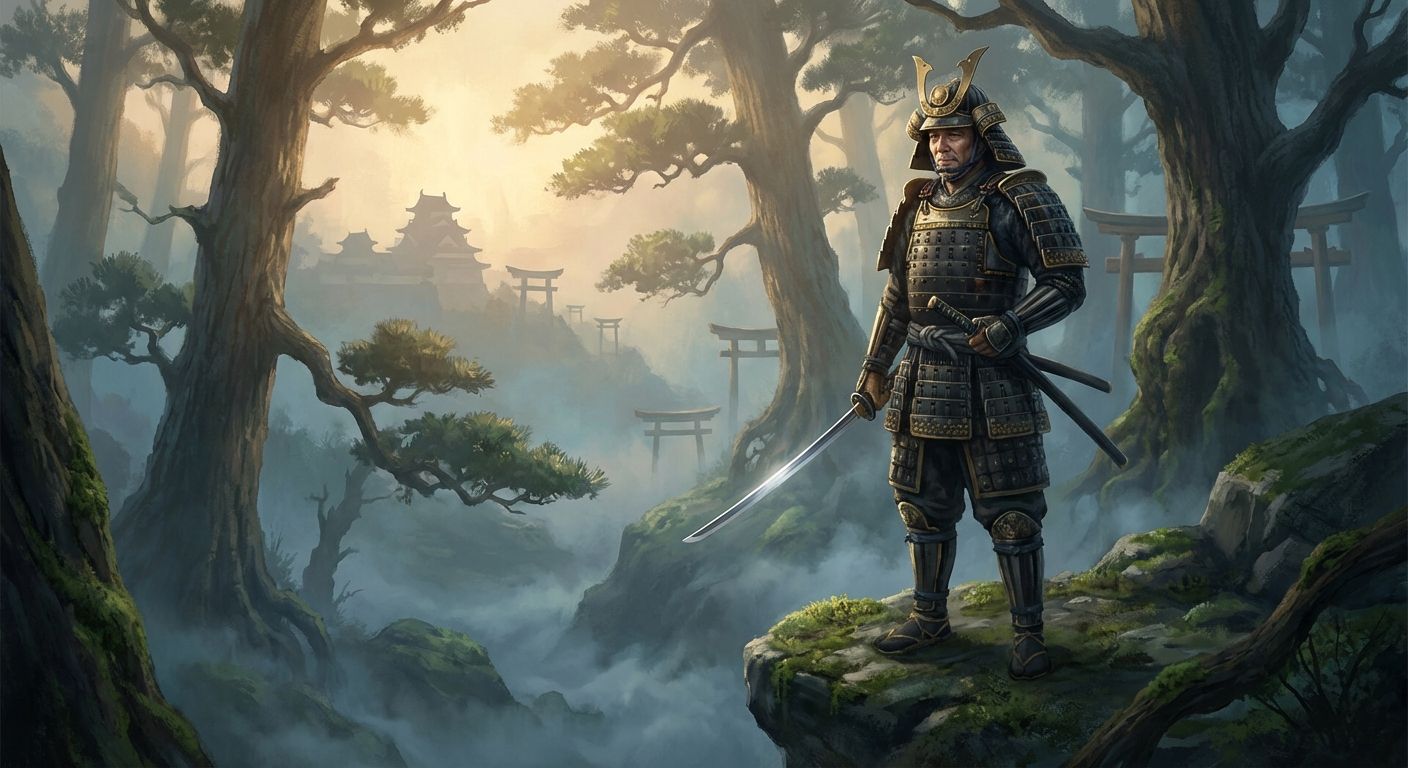
Samurai in lacquered armor standing contemplatively at dawn near a misty cedar forest with a distant feudal castle in the background.

The history of the samurai traces a complex evolution from provincial warriors to cultural icons who shaped Japan’s social structures and moral imagination. This article explores how samurai values, the bushidō code, and philosophical influences like Zen Buddhism moved them beyond mere fighters into architects of Japanese identity. Read on for an in-depth overview, key figures, and lasting legacies that still resonate in modern Japan.

Tigers in Asian Folklore: Meaning, History and Cultural Significance

A majestic tiger between misty mountains and a village, blending traditional East Asian ink style with realistic details; symbols like a shrine, White Tiger constellation and magpies suggest folklore and protection.

Tigers in Asian folklore appear across centuries of myths, legends and visual art as powerful symbols of strength, protection and ambivalence between fear and reverence. This article explores how tigers shaped religious beliefs, village rituals, royal iconography and modern cultural identities across China, Korea, Japan, India and Southeast Asia. Expect historical context, popular stories, and examples of tiger symbolism in art and religion.

Tetraphobia in Asia: Origins, Cultural Meanings, Practical Tips and Curious Facts

Elevator panel and urban skyline illustrating tetraphobia in Asia; fourth floor omitted or labeled differently, with cultural motifs representing China, Japan, South Korea and Taiwan.

Tetraphobia in Asia—the avoidance of the number four—shapes buildings, businesses and everyday life across East Asia. This article explains the linguistic roots, cultural significance and visible manifestations in architecture, hospitals, elevators and commerce, and offers practical tips for travelers and professionals.

Discover how China, Japan, South Korea and Taiwan deal with this superstition and the best ways to handle it respectfully during visits or business dealings.

Kimono vs Yukata: Understanding Their Meaning in Japanese Culture

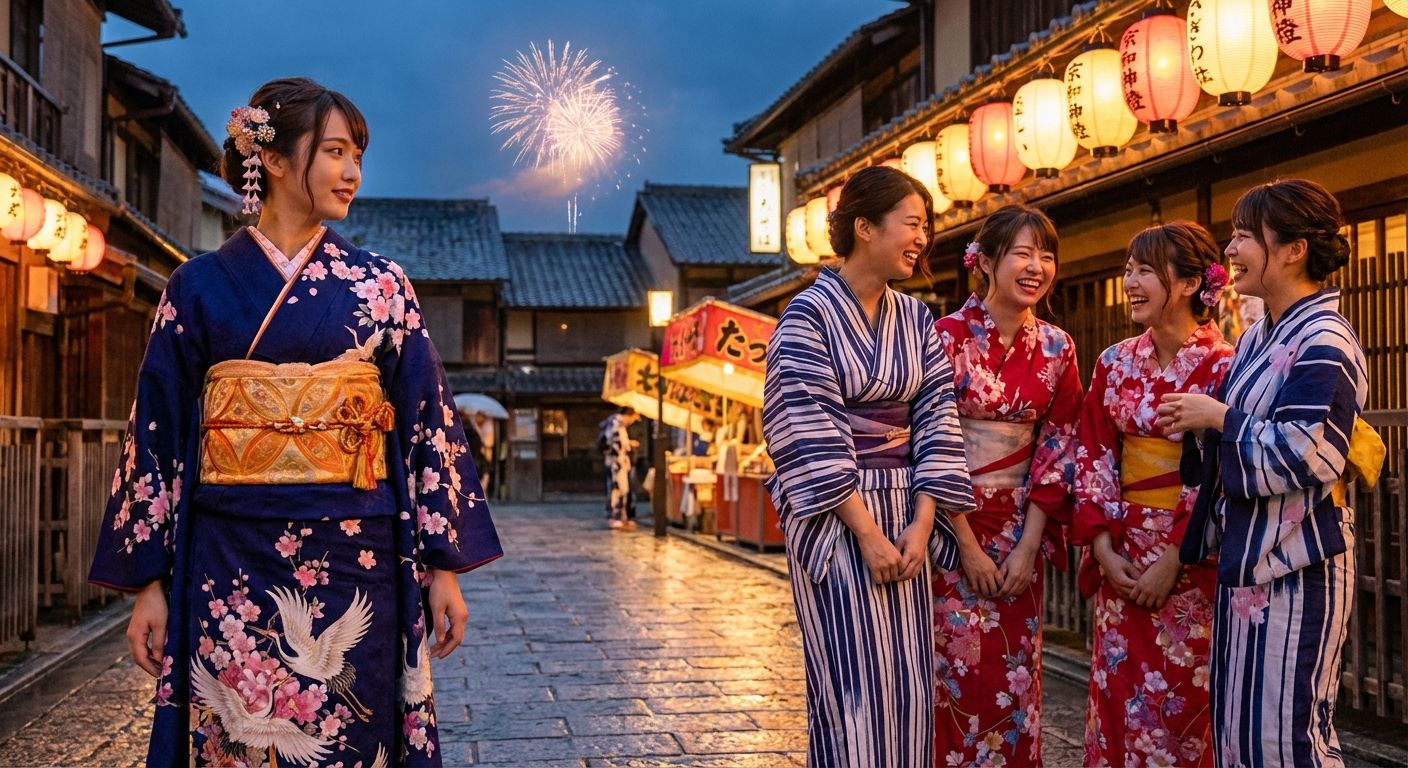
A woman in a silk kimono and friends in colorful yukata beneath glowing festival lanterns and distant fireworks

This article explores the roles of the kimono and yukata within Japanese culture, clarifying their historical origins, symbolic meanings, and social uses. Designed for students, travelers and enthusiasts, it highlights differences in materials, occasions, and etiquette to help readers appreciate these iconic garments.

Practical tips for wearing, caring and observing kimono and yukata traditions are included, along with links to trusted resources for deeper study.

Nara Park: Where Ancient Temples, Serene Landscapes and Friendly Deer Connect

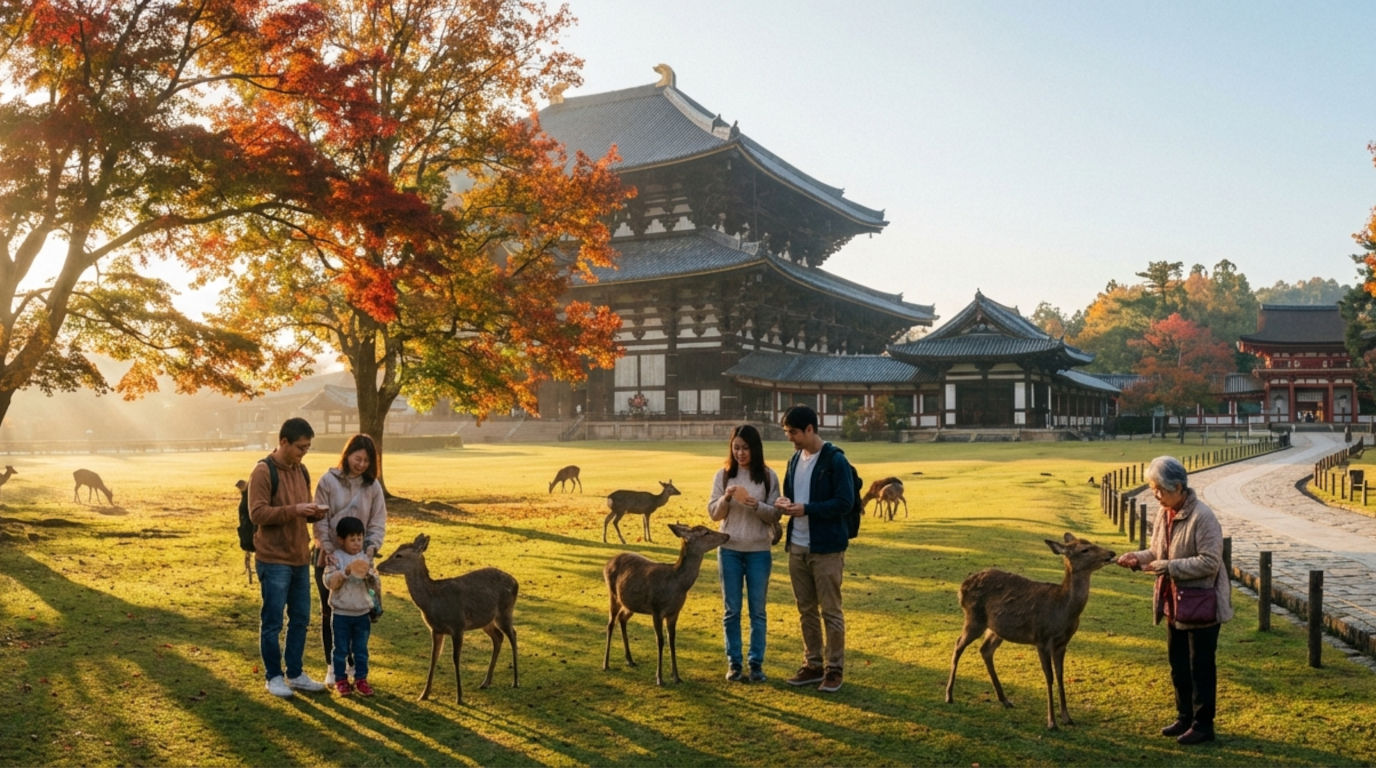
Visitors feeding sika deer on a grassy area in Nara Park with Todai-ji temple and autumn maples in the background.

Nara Park is a singular blend of rolling landscapes, sacred temples and free-roaming deer, offering an immersive taste of Japan’s cultural and natural heritage. This guide highlights the park’s top attractions, the historical importance of its temples like Todai-ji and Kasuga Taisha, and practical tips for a respectful and memorable visit.

Perfect for culture-minded travelers and nature lovers, the article outlines how to experience Nara Park responsibly and suggests must-see spots and an efficient itinerary.