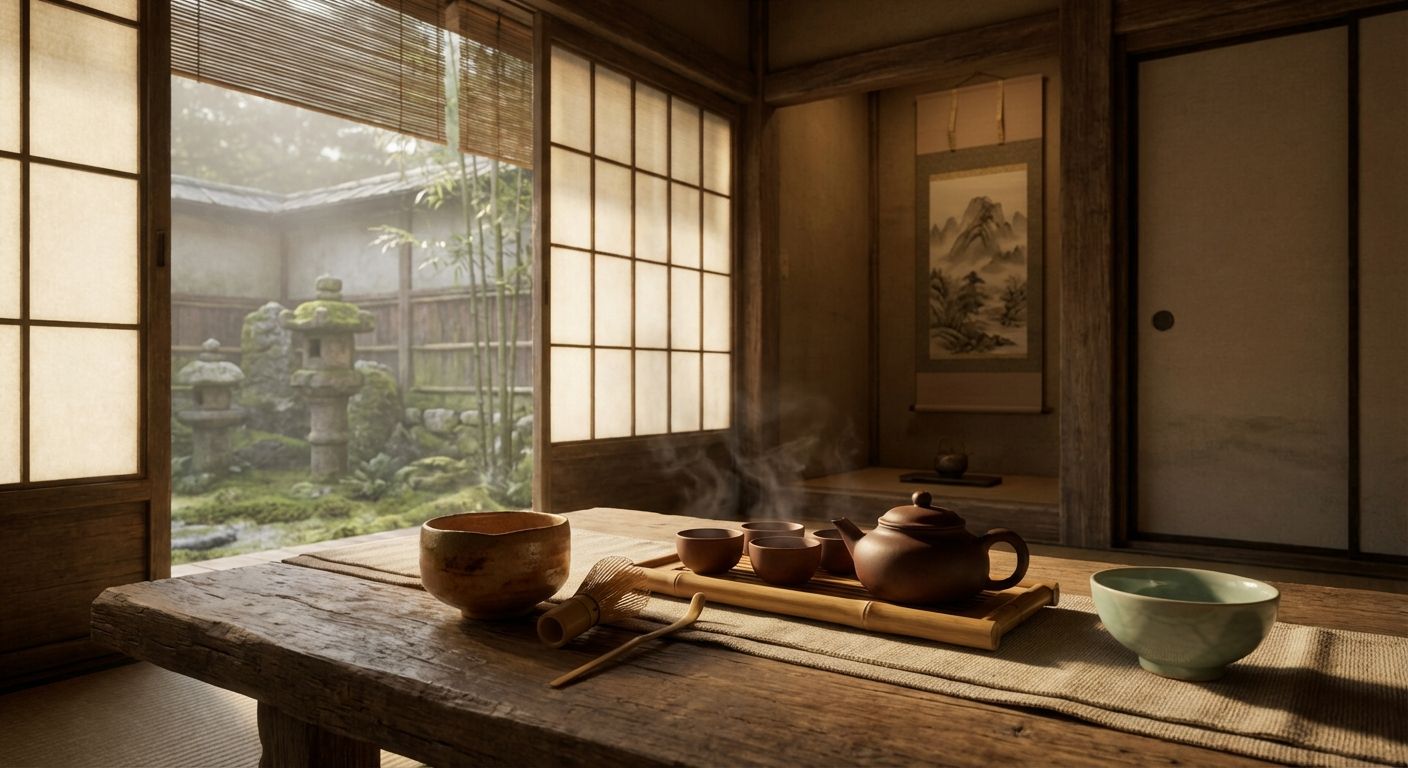
Tea in Asian culture has shaped social rituals, spiritual practices, and daily life across centuries. From imperial courts to simple village gatherings, tea has been a vessel for hospitality, philosophy, and identity across China, Japan, and Korea. This article dives into those traditions, explaining history, ceremonies, and the cultural meanings that make tea much more than a beverage.
Why tea matters across Asia: an overview
The story of tea in Asia is both practical and symbolic. Historically a medicinal plant and trade commodity, tea evolved into a cultural cornerstone. Across nations, tea operates at several intersecting levels:
- Social glue: tea facilitates hospitality, conversation, and relationship-building.
- Ritual and spirituality: many tea practices are linked to meditation, respect for nature, and philosophical ideals.
- Identity and continuity: regional tea customs preserve history and local aesthetics.
- Health and everyday life: tea’s perceived benefits have kept it central to daily consumption.
Understanding tea in Asian culture means looking at shared themes—respect, presence, craftsmanship—and also at the unique expressions that developed in China, Japan, and Korea.
Chinese tea culture: origins, styles, and social role
Historical roots
China is widely recognized as the cradle of tea. According to historical records and legend, tea was first used as a medicinal herb before becoming a daily drink during the Tang (618–907) and Song (960–1279) dynasties. Over time, tea cultivation, processing techniques, and literati appreciation shaped an entire cultural ecosystem around tea.
Major types and processing
Chinese tea classification centers on processing methods. Notable categories include:
- Green tea (e.g., Longjing): minimally oxidized, preserving vegetal flavors.
- Black tea (called “red tea” in China, e.g., Keemun): fully oxidized, robust and sweet.
- Oolong (e.g., Tieguanyin): partially oxidized with floral complexity.
- Puerh: fermented and aged teas valued for depth and rarity.
Ceremony, aesthetics, and social practice
Unlike the codified Japanese tea ceremony, Chinese tea appreciation emphasizes connoisseurship, regional styles, and informal hospitality. However, refined practices exist—such as the Gongfu Tea Ceremony—that focus on precision, small teapots (often Yixing clay), multiple short infusions, and attention to aroma and mouthfeel.
Tea houses in China historically served as hubs for music, opera, political discussion, and business. The cultural weight of tea is also present in poetry, painting, and philosophy.
Japanese tea culture: wabi-sabi, discipline, and the tea ceremony
From Chinese influence to uniquely Japanese forms
Tea traveled from China to Japan in the 9th century, but by the 12th–16th centuries it had been transformed into practices tightly bound to Zen Buddhism and Japanese aesthetics. The chanoyu or Japanese tea ceremony emerged as a highly codified ritual emphasizing simplicity, ritualized movement, and mindful presence.
The heart of chanoyu: principles and tools
Key concepts in Japanese tea practice include wabi-sabi (beauty in imperfection), ichigo ichie (one time, one meeting), and a disciplined choreography. Typical elements include:
- Matcha (finely ground powdered green tea), whisked in a bowl.
- Carefully selected utensils: tea bowls (chawan), bamboo whisk (chasen), and tea scoop (chashaku).
- Tea rooms and gardens designed to guide guests into a contemplative state.
Chanoyu is not merely preparation of a drink; it is a spiritual and social art that teaches humility, respect, and awareness. The ceremony’s choreography and aesthetics have influenced Japanese arts from pottery to architecture.
Korean tea culture: subtlety, etiquette, and revival
Historical background
Korean tea culture shares roots with Chinese origins but developed distinct customs across centuries. Tea in Korea was historically associated with Buddhist rituals and royal courts. During the Joseon dynasty, Confucianism shaped social values and simplified some ceremonial practices.
Characteristics of Korean tea practice
Korean tea ceremonies emphasize gentleness, understated grace, and the seamless integration of tea into everyday etiquette. Popular teas include:
- Green teas like Ujeon and Sejak, with early harvests prized for delicate flavor.
- Barley tea (bori-cha) and corn tea (oksusu-cha), commonly enjoyed as everyday infusions.
- Herbal and flower teas, such as plum blossom or chrysanthemum, used for wellness and seasonal rituals.
Contemporary Korea has seen a cultural revival of traditional tea houses (dawon) and increased interest in tea as a heritage craft.
Comparing ceremonies and social functions
While China, Japan, and Korea share common origins and reverence for tea, each culture articulates distinct priorities:
- China: regional diversity, connoisseurship, and commercial tea culture.
- Japan: codified ritual, aesthetics of simplicity, and spiritual discipline.
- Korea: balance, subtle etiquette, and integration into daily life.
All three traditions value craftsmanship—tea cultivation, pottery, and the thoughtful selection of utensils—and all use tea as a means to build community and convey respect.
Health, symbolism, and modern significance
Beyond ceremony, tea holds symbolic meanings—purity, hospitality, and continuity. Many teas are associated with health benefits due to antioxidants and calming properties. While scientific discussions continue, cultural practices emphasize the mind-body harmony that tea rituals support.
In modern East Asia and the global diaspora, tea functions both as a commercial commodity and a cultural ambassador. Tea festivals, artisanal tea shops, and international interest in ceremonies have renewed respect for traditional knowledge while inviting cross-cultural exchange.
How to approach and appreciate tea traditions respectfully
If you are interested in experiencing these traditions, consider these steps:
- Learn basic etiquette: simple gestures—like a humble bow in a tea ceremony or accepting a cup with both hands—show respect.
- Start with quality leaves: choose regionally authentic teas (e.g., Longjing for Chinese green tea, matcha for Japanese ceremonies, Korean early-harvest greens) and use appropriate water temperature and utensils.
- Attend local classes or cultural centers: many museums, cultural institutes, and tea houses offer guided experiences.
- Read and cite reputable sources to deepen understanding; primary scholarship and museum collections provide context.
Where to learn more
Trusted external resources include:
- Encyclopaedia Britannica – Tea for a broad historical overview.
- Japan Guide – Tea Ceremony for details on chanoyu and etiquette.
- Asia Society for articles and programming on Korean and East Asian tea traditions.
Conclusion: preserving respect and curiosity
Tea in Asian culture is a living tradition that rewards patience, observation, and humility. Whether you sip matcha in a tearoom, taste puerh over multiple infusions, or share barley tea on a quiet afternoon, tea invites presence and connection. By learning the histories, honoring rituals, and supporting authentic practitioners, readers can deepen their appreciation for tea as a cultural and social practice.
Further reading and practice: attend a local tea ceremony, visit a tea farm or museum, and explore regional varieties to experience the full cultural richness behind every cup.