Birds with False Nest Entrances: How Nests Deceive Predators and What It Reveals About Behavior
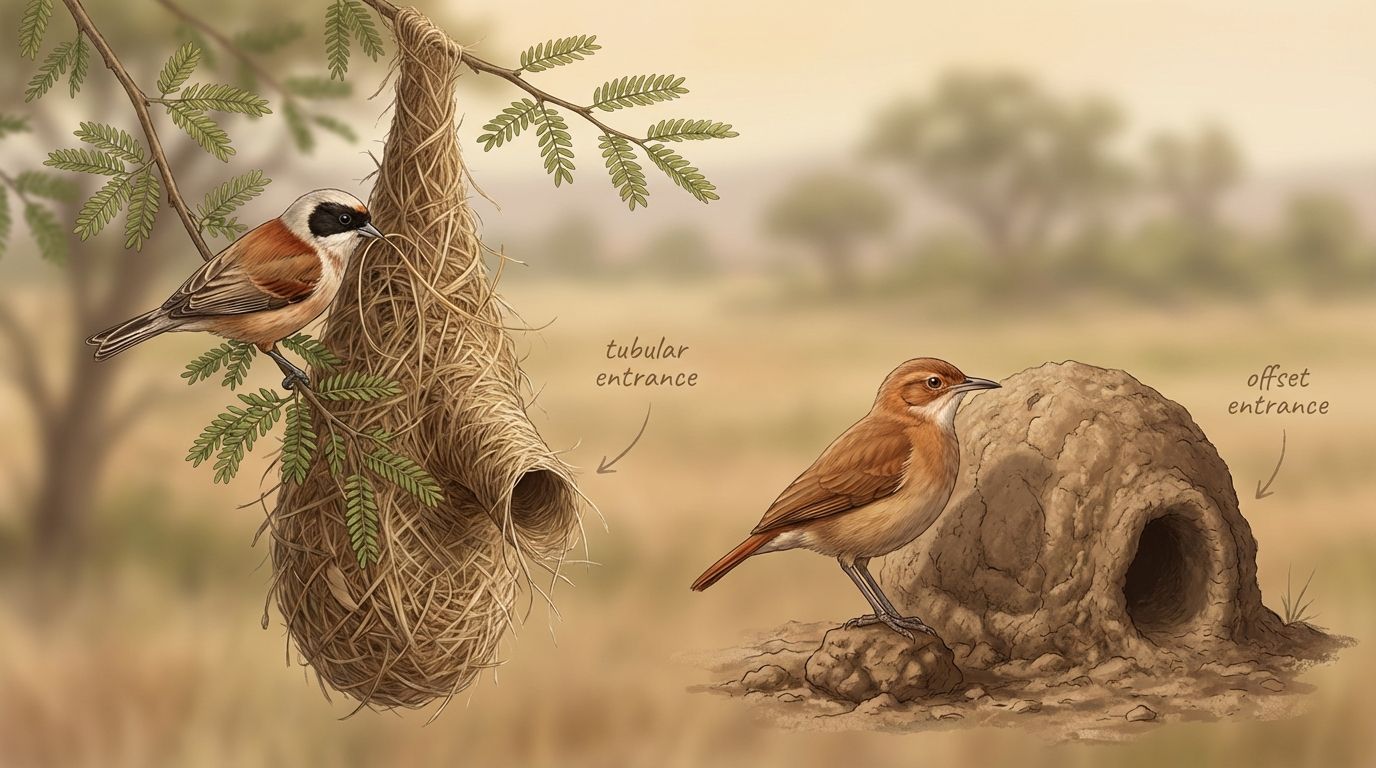
Illustration of a penduline tit beside a hanging woven nest with a tubular false entrance, and a rufous hornero next to a mud oven nest with an offset entrance.

Birds with false nest entrances use architectural deception to confuse predators and protect eggs and chicks. This article explores why some species construct decoy openings, how the strategy works in different habitats, and fascinating examples from around the world.

Learn practical tips for birdwatchers to spot these adaptations and discover recommended resources for deeper study.

Birds That Mimic Sounds: How Lyrebirds, Parrots and Other Species Copy the World

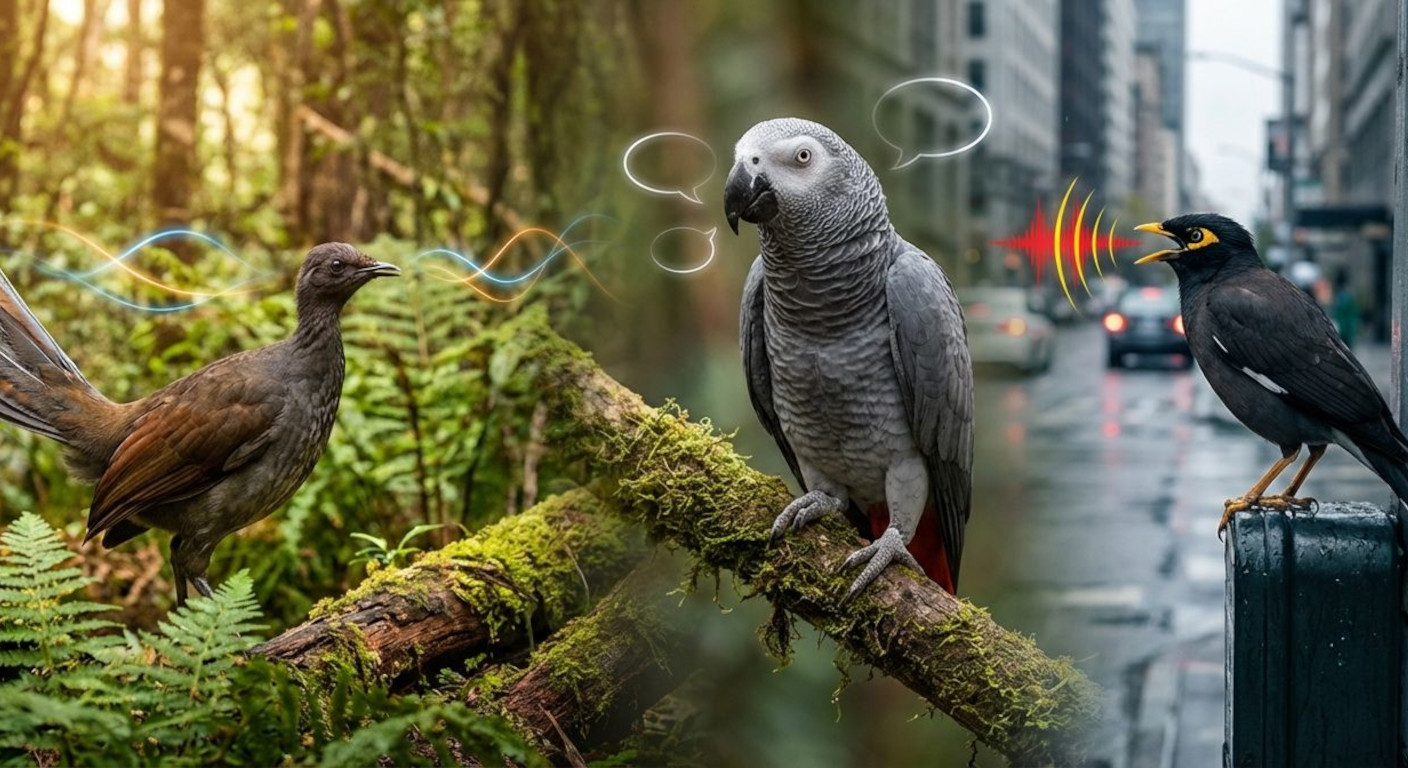
Superb lyrebird displaying in forest, African grey parrot perched and myna near urban elements, suggesting birds that mimic sounds

Discover why some birds that mimic sounds are among the most fascinating vocal learners in the animal kingdom. This article explains how mimicry works, compares species like the superb lyrebird and parrots, and covers cognitive, ecological and pet-care considerations.

Perfect for bird lovers, students and prospective exotic-pet owners seeking science-based insights and practical guidance.

Geese as Natural Guards: Practical Guide for Farmers and Smallholders

Two alert geese on a farm entrance honking and watching an approaching figure, early morning scene with farmhouse and pond in background

Discover how geese as natural guards can provide low-cost, effective property protection for farms and smallholdings. This guide covers behavior, territorial instincts, advantages over conventional methods, and practical care tips for raising geese as watchdogs.

Ideal for rural producers and curious animal enthusiasts, it highlights safety, welfare and best practices for implementing geese-based security.