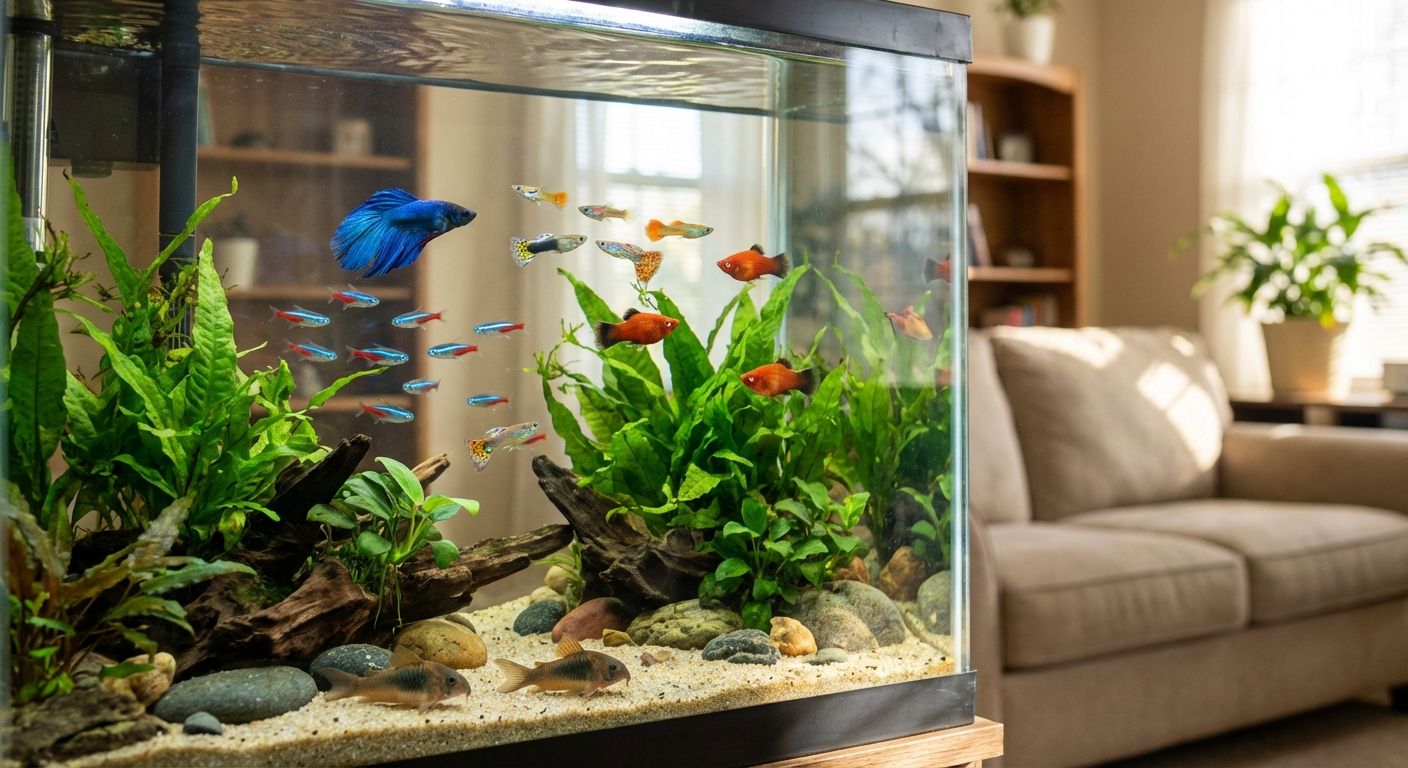
Fish species suitable for home aquariums can make the difference between a thriving, peaceful tank and a frustrating experience—especially for newcomers. This guide covers the top beginner-friendly species, their behaviors, compatibility, and essential care practices so you can start or improve your aquarium with confidence.
Why choosing the right fish species matters
Selecting the correct fish species is the foundation of a successful aquarium. The right choice affects:
- Water chemistry needs (temperature, pH, hardness)
- Tank size and stocking
- Compatibility and social behavior
- Feeding requirements
- Maintenance effort and long-term health
For beginners, prioritize hardy, forgiving species that tolerate typical beginner mistakes like minor parameter fluctuations and occasional missed water changes.
Top beginner-friendly fish species (freshwater focus)
Below are reliable and widely available fish species recommended for home aquariums. Each entry includes temperament, ideal tank size, basic care, and compatibility notes.
1. Betta (Betta splendens)
Temperament: Territorial males, peaceful with non-fin-nipping species.
Tank size: Minimum 5–10 gallons for a single male.
Care: Warm water 76–82°F (24–28°C), pH 6.5–7.5, low to moderate flow. Bettas accept pellets, flakes, and live/frozen food.
Compatibility: Avoid housing two males together. Good tankmates: snails, some peaceful rasboras, or small corydoras if tank is large enough.
2. Guppy (Poecilia reticulata)
Temperament: Peaceful, active, great for community tanks.
Tank size: 10+ gallons for a small group.
Care: Temperature 72–82°F (22–28°C), tolerant of a wide pH range. Omnivorous—flakes, pellets, and live food.
Notes: Prolific breeders. Consider keeping more females than males to reduce harassment.
3. Neon Tetra (Paracheirodon innesi)
Temperament: Peaceful schooling fish.
Tank size: Minimum 10 gallons, best in groups of 6–10.
Care: Prefer slightly acidic, soft water and stable conditions. Temperature 70–78°F (21–26°C).
Compatibility: Excellent in planted community tanks with other peaceful species.
4. Platy (Xiphophorus variatus / X. maculatus)
Temperament: Very peaceful and hardy.
Tank size: 10+ gallons.
Care: Wide tolerance to temperature and pH. Omnivorous.
Notes: Livebearers like guppies; breed easily.
5. Zebra Danio (Danio rerio)
Temperament: Very hardy, active schooling fish.
Tank size: 10+ gallons; keep in groups.
Care: Tolerant of cooler temperatures and varied water conditions—ideal for beginners.
6. Corydoras Catfish (Corydoras spp.)
Temperament: Peaceful bottom-dwellers, social.
Tank size: 10+ gallons.
Care: Prefer soft substrate to protect barbels; keep in groups of 4–6. Omnivorous scavengers who help clean the bottom.
7. White Cloud Mountain Minnow (Tanichthys albonubes)
Temperament: Hardy, peaceful, tolerant of a range of temperatures.
Tank size: 10+ gallons.
Care: Good for cooler rooms; peaceful community members.
8. Molly (Poecilia sphenops)
Temperament: Hardy livebearer, generally peaceful.
Tank size: 20+ gallons for larger groups and to allow space for active swimming.
Care: Prefer slightly brackish water at times; tolerate varied conditions. Keep plant cover and moderate filtration.
Species to approach with caution
- Goldfish: Coldwater and produce a lot of waste; require large tanks or ponds. Not ideal for small beginner tanks.
- Angelfish: Beautiful but may be semi-aggressive and need taller tanks.
- Cichlids (many species): Some are aggressive and require specific water chemistry—research before adding.
Key care basics for any chosen fish species
Regardless of which fish species you select, mastering a few fundamentals will keep your aquarium healthy and your fish thriving.
Tank cycling and nitrogen cycle
The most important step: cycle your tank before adding fish. Beneficial bacteria convert toxic ammonia to nitrite and then to nitrate. Use a reliable guide to cycle your tank—either fishless cycling with ammonia or a slow starter group of hardy fish. Learn more from trusted resources like FishBase and hobby articles at PetMD.
Filtration, aeration and water flow
Choose a filter rated for your tank volume and the bioload you expect. Adequate filtration removes waste and supports beneficial bacteria. Add gentle aeration or ensure surface movement for proper oxygen exchange.
Water changes and maintenance
- Regular partial water changes (20–30% weekly or biweekly) reduce nitrate build-up.
- Test parameters: ammonia, nitrite, nitrate, pH, and temperature.
- Clean substrate and remove uneaten food and decaying plant matter.
Feeding
Feed small amounts 1–2 times per day. Use high-quality flakes, pellets, and supplement with frozen/live food for variety. Overfeeding is a common cause of poor water quality.
Stocking levels and compatibility
Avoid the outdated “1 inch of fish per gallon” rule. Consider adult size, activity level, and territorial behavior. Research each species’ adult length and social needs. Use online stocking calculators or start conservatively.
Setting up an ideal beginner tank
For most of the species above, a standard setup includes:
- Glass or acrylic tank appropriate to the species’ size (10–20+ gallons for many beginners)
- Filtered and heated aquarium with an adjustable heater for tropical species
- Live or hardy plants for oxygen, hiding places, and nitrate uptake
- Substrate suited to bottom-dwellers (sand or fine gravel for corydoras)
- Lighting appropriate for plants and fish—avoid intense light that stresses shy species
Acclimation: introducing new fish species to your tank
Proper acclimation reduces stress and disease risk. A common method:
- Float sealed bag in the tank for 15–20 minutes to equalize temperature.
- Open bag and add small amounts of tank water to the bag every 5 minutes for 20–30 minutes.
- Gently net and transfer fish—avoid pouring bag water into your tank to reduce pathogen introduction.
Common issues and quick troubleshooting
Cloudy water
Often due to bacterial bloom after initial setup or overfeeding. Reduce feeding, perform partial water changes, and ensure proper filtration.
Ammonia or nitrite spikes
Test water immediately. Do partial water changes and check filter function. Use water conditioners and consider adding nitrifying bacteria boosters if cycling problems persist.
Stress and disease
Look for flashing, clamped fins, or loss of appetite. Quarantine new fish for 2–4 weeks to reduce disease spread.
Choosing the right combination: compatibility tips
- Match fish by temperature and pH requirements.
- Pair peaceful schooling fish (neon tetras, danios) with bottom-dwellers (corydoras).
- Avoid mixing fin-nippers (some barbs) with long-finned species like bettas.
- Provide hiding spaces and visual barriers to reduce aggression.
Benefits of keeping beginner-friendly fish species
Choosing hardy, easy-care species offers several advantages:
- Lower maintenance—less frequent emergencies and easier water quality management.
- Educational value—learn the nitrogen cycle, aquatic plants, and fish behavior safely.
- Stress relief and aesthetics—an attractive tank improves living spaces and well-being.
Where to buy and ethical considerations
Buy from reputable local fish stores or certified breeders. Avoid wild-caught species unless you’re experienced and the trade is sustainable. Inspect fish for healthy fins, clear eyes, and active behavior. Ask about return policies and quarantine procedures.
Further reading and trusted sources
For in-depth species profiles, care sheets, and scientific data, consult:
- FishBase — extensive database of fish species and distribution.
- PetMD — practical pet care articles and disease guides.
- Aquarium Co-Op — beginner-friendly guides and product reviews.
Conclusion
Starting an aquarium is rewarding when you choose the right fish species for your experience level and tank conditions. Prioritize hardy, community-oriented fish like guppies, neon tetras, danios, platies, and corydoras. Learn the basics—cycle your tank, maintain water quality, and acclimate new fish properly—and you’ll enjoy a vibrant, healthy home aquarium.