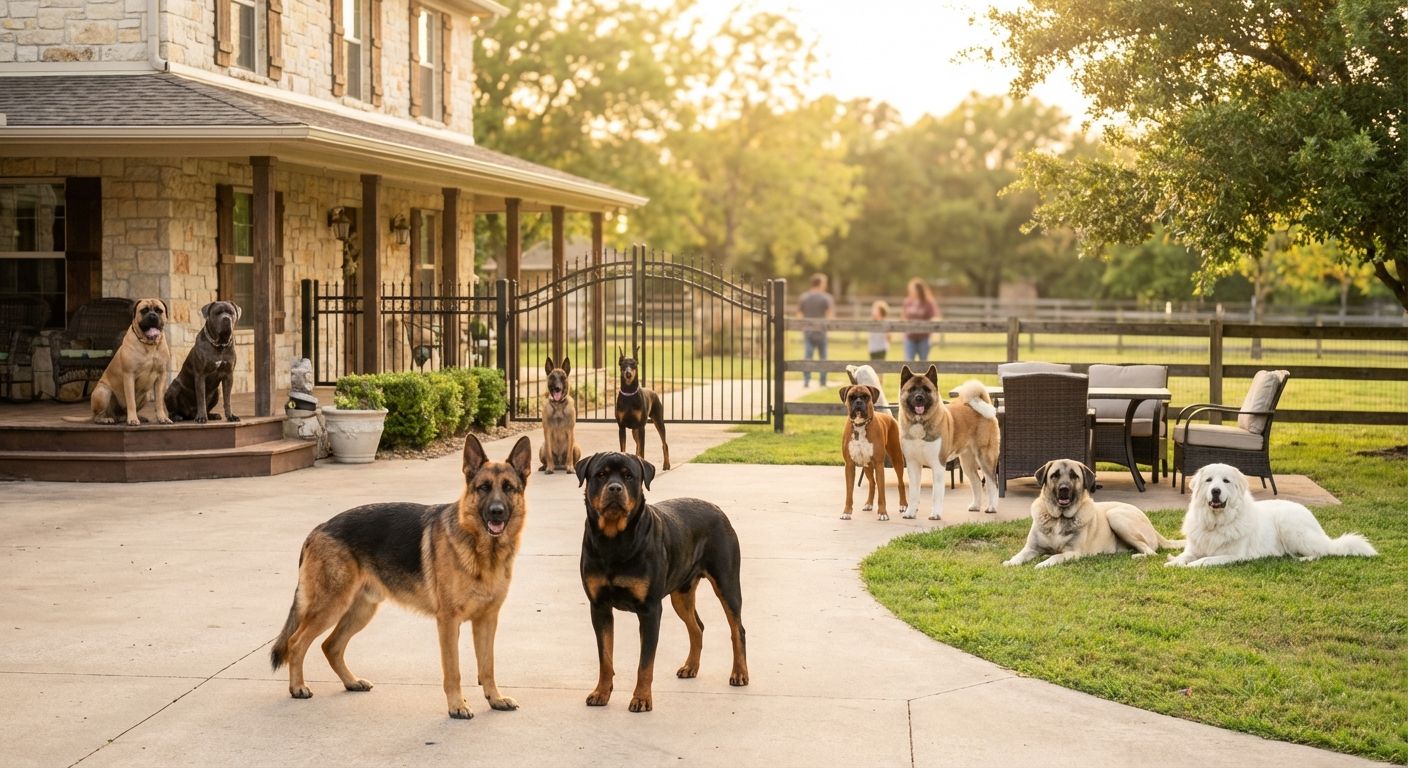
Guard dog selection starts with understanding breed-specific traits: size, temperament, drive, and trainability. Whether you want a calm family protector for a suburban home or a vigilant livestock guardian for a farm, the right breed makes all the difference. This guide analyzes the top 10 guard dog breeds, detailing their protective instincts, training needs, and where they thrive best.
Why choose a guard dog? Key traits to consider
Before looking at breeds, evaluate the core traits that make a dog an effective protector. A strong guard dog typically combines several of the following:
- Protective instinct: natural tendency to defend family or territory.
- Trainability: willingness to learn commands and follow handler cues.
- Confidence: calm under pressure and able to assess threats.
- Size and strength: physical presence to deter or intervene.
- Socialization needs: ability to distinguish friends from threats.
- Health and longevity: realistic expectations for lifespan and care.
When searching for a guard dog, consider your living environment, household members (kids, elderly, other pets), and your experience with handling strong-willed breeds. Many guard dogs are best suited to owners who can provide consistent training, leadership, and appropriate socialization.
Top 10 guard dog breeds (detailed)
Below are the 10 most recommended guard dog breeds, ranked by a combination of protective instinct, trainability, adaptability, and suitability for home vs. farm settings.
1. German Shepherd
- Overview: Highly versatile, intelligent and loyal; widely used in police and military work.
- Temperament: Confident, courageous, trainable and devoted to family.
- Protection level: Very high — natural protector, will alert and defend when necessary.
- Training difficulty: Moderate to advanced; benefits from consistent, obedience and task training.
- Best for: Home with experienced owners; security roles; families who can provide mental and physical stimulation.
- Care notes: Regular exercise, early socialization, grooming for shedding. Common health concerns: hip dysplasia.
2. Rottweiler
- Overview: Strong, fearless and protective, Rottweilers combine power with calm confidence.
- Temperament: Loyal and affectionate to family but can be reserved with strangers.
- Protection level: Very high — excellent deterrent due to size and presence.
- Training difficulty: Advanced; needs firm, consistent leadership and early socialization.
- Best for: Home or property with experienced owners; effective as personal protection and property guardians.
- Care notes: Controlled socialization to avoid over-guarding, regular exercise, monitor for orthopedic issues and cardiac health.
3. Doberman Pinscher
- Overview: Sleek, fast, intensely loyal — a classic protection breed.
- Temperament: Alert, intelligent, trainable and people-oriented.
- Protection level: High — excels in personal protection and rapid response.
- Training difficulty: Moderate to advanced; responds well to positive, consistent training.
- Best for: Home security, active families, owners who can dedicate time to training and exercise.
- Care notes: Low grooming needs, enjoys long walks and mental challenges; prone to certain cardiac and orthopedic conditions.
4. Belgian Malinois
- Overview: Extremely driven, agile and intelligent — the top choice for professional security work.
- Temperament: Intense work drive, highly trainable and focused.
- Protection level: Very high — aggressive work ethic when trained for protection roles.
- Training difficulty: High; requires experienced handlers and purpose-driven tasks.
- Best for: Security professionals, very active households, farms needing a vigilant worker.
- Care notes: High exercise and mental stimulation requirements; not recommended for novice owners.
5. Bullmastiff
- Overview: Calm, powerful and built to physically restrain intruders rather than attack.
- Temperament: Docile with family, imposing with strangers.
- Protection level: High — excellent physical deterrent due to size and presence.
- Training difficulty: Moderate; benefits from firm, gentle training and early socialization.
- Best for: Home security and property guarding; suits families who want a steady, less hyperactive guardian.
- Care notes: Monitor weight and breathing issues; ensure safe handling due to large size.
6. Cane Corso
- Overview: Italian mastiff-type with a strong protective instinct and deep bond with family.
- Temperament: Loyal, assertive and highly devoted to owners.
- Protection level: Very high — excellent family guard and property protection dog.
- Training difficulty: Advanced; requires confident, experienced ownership and consistent leadership.
- Best for: Homes with experienced owners or farms needing a protective guardian; not ideal for passive households.
- Care notes: Socialization is critical to avoid over-protectiveness; moderate exercise needs; watch for hip and cardiac issues.
7. Boxer
- Overview: Energetic, alert and affectionate — boxers make dependable family guardians.
- Temperament: Playful with family but protective when necessary.
- Protection level: Moderate to high — uses alertness and agility as deterrents.
- Training difficulty: Moderate; benefits from positive reinforcement and consistent boundaries.
- Best for: Active households and suburban homes where family interaction is frequent.
- Care notes: High energy; requires regular exercise and mental stimulation; monitor for cardiac conditions.
8. Akita
- Overview: Dignified, independent and deeply loyal — natural guardians with a strong sense of territory.
- Temperament: Reserved with strangers, devoted to family; can be dominant.
- Protection level: High — reliable deterent thanks to size and presence.
- Training difficulty: Advanced; needs firm, experienced handlers and thorough socialization.
- Best for: Owners with prior experience; suited to quieter homes or properties where a confident guardian is needed.
- Care notes: Can be aggressive toward unfamiliar dogs if not socialized; moderate exercise and grooming.
9. Anatolian Shepherd
- Overview: A premier livestock guardian dog from Turkey, bred to protect flocks from predators.
- Temperament: Independent, watchful and protective of territory and stock.
- Protection level: Very high for farm settings — excels at livestock protection and perimeter guarding.
- Training difficulty: Moderate; training focuses on establishing trust and consistent leadership rather than obedience tricks.
- Best for: Farms and large properties; not ideal for small apartments or households seeking a constant lap dog.
- Care notes: Minimal grooming; thrives with space and purpose; early socialization improves coexistence with family animals.
10. Great Pyrenees
- Overview: Gentle giant with a long history guarding sheep and livestock.
- Temperament: Calm, patient and steadfastly protective of family and flock.
- Protection level: High on farms — uses presence and vocal alarm (barking) to deter threats.
- Training difficulty: Moderate; benefits from consistent leadership and purpose-driven tasks.
- Best for: Farm and rural properties; families who want a protective, affectionate companion with livestock-guarding instincts.
- Care notes: Thick coat requires regular grooming; prone to seasonal shedding and some orthopedic issues.
Choosing between home vs. farm guard dogs
Not all guard breeds fit every environment. Consider these guidelines:
- Home / Suburban: German Shepherd, Rottweiler, Doberman, Bullmastiff, Boxer — breeds that adapt to family life and respond well to structured training.
- Farm / Rural: Anatolian Shepherd, Great Pyrenees, Belgian Malinois (for working roles), Cane Corso — breeds that tolerate outdoor work, livestock proximity and large territories.
- First-time owners: Consider calmer breeds with proven trainability (German Shepherd with a good breeder/line, Boxer, Bullmastiff) and commit to professional training.
Training, socialization and legal considerations
Training: Successful guard dogs require consistent, reward-based training plus clear leadership. Professional obedience and protection training are advisable for high-drive breeds (Belgian Malinois, Doberman, Rottweiler).
Socialization: Early exposure to people, animals and varied environments prevents over-protectiveness and teaches reliable threat assessment. Puppy classes, controlled introductions and community exposure are essential.
Legal & safety considerations: Laws vary by region regarding breed-specific legislation (BSL) and liability for attacks. Check local regulations and ensure proper containment (secure fencing), identification and insurance coverage when keeping a guard dog.
Health, care and lifestyle fit
Guard breeds often have specific health risks. Regular veterinary care, weight management, joint supplements when appropriate, and responsible breeding choices reduce long-term issues. Match a breed’s exercise and mental needs to your schedule — bored guard dogs can develop problem behaviors.
- Exercise: High-drive breeds (Malinois, German Shepherd) need intensive daily exercise and mental work. Large mastiffs need shorter but consistent activity.
- Grooming: Varies from low-maintenance short coats (Doberman) to heavy-shedding double coats (German Shepherd, Great Pyrenees).
- Nutrition: Balanced, breed-appropriate diets and monitoring for weight management in large breeds are critical.
Recommended next steps for prospective owners
- Assess your lifestyle: Time, space, other pets and experience level.
- Research breeders and rescues: Choose reputable breeders who screen for health and temperament or consider breed-specific rescues.
- Plan training: Enroll in puppy classes, hire a certified professional trainer for protection work only after basic obedience is solid.
- Prepare the environment: Secure fencing, safe containment, and a structured daily routine help manage any guard breed.
For reputable, breed-specific information, consult the American Kennel Club (AKC) and veterinary resources such as VCA Hospitals (VCA) and the American Veterinary Medical Association (AVMA).
Final considerations
Choosing a guard dog is a long-term commitment. Match the breed’s protective instincts and care requirements to your household and training capacity. With proper selection, training, and socialization, a guard dog can provide trusted protection, companionship and peace of mind for years.
If you’re unsure which breed fits you best: consult experienced breeders, trainers and veterinarians, and consider fostering a dog to evaluate temperament before making a permanent decision.