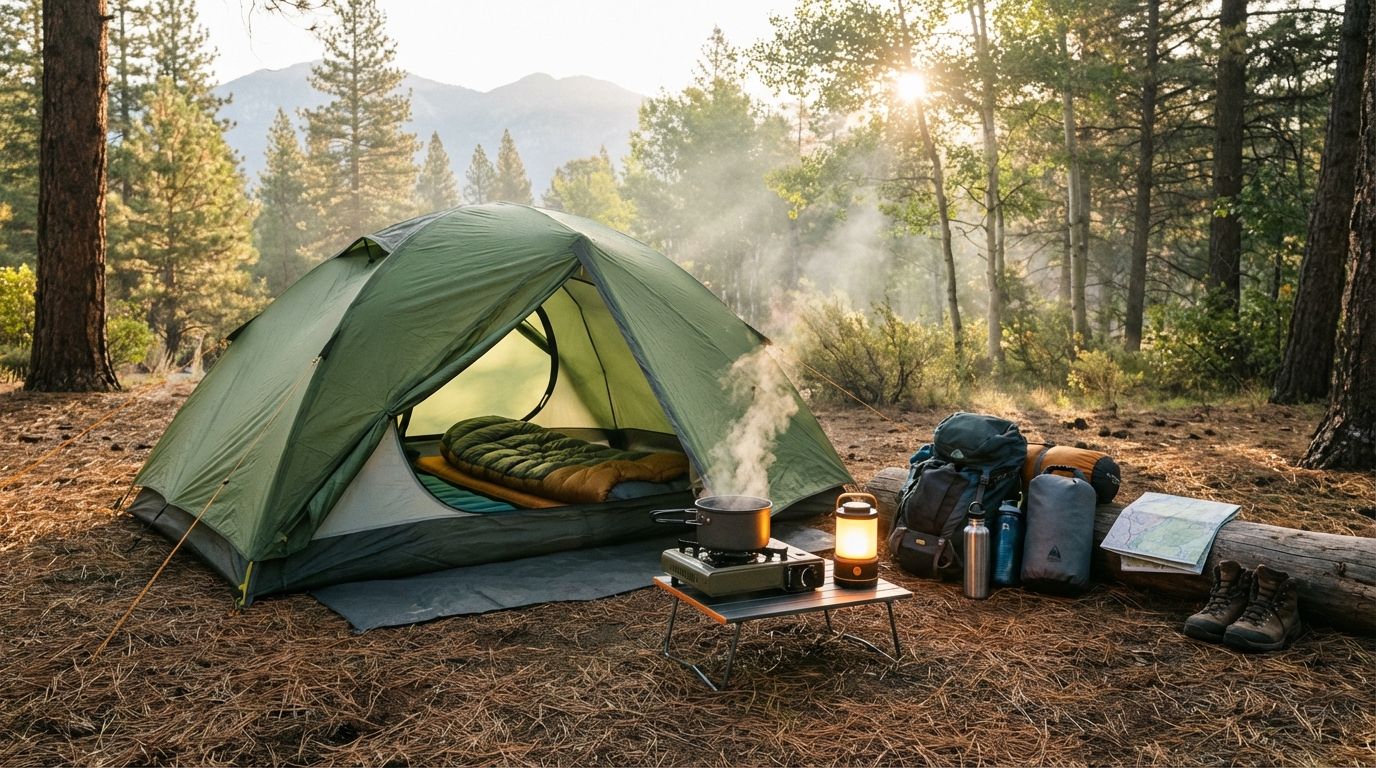
Camping for beginners can feel overwhelming, but with the right preparation and a clear checklist you can turn your first camping trip into a confident, comfortable adventure. This guide walks you through planning, essential gear, safety, and practical tips so you arrive prepared and relaxed.
Why a checklist matters for first-time campers
When you’re a first-timer, forgetting one critical item can turn a great weekend into a stressful experience. A carefully curated checklist helps you prioritize items that impact comfort, safety, and enjoyment. Use this guide as your master checklist and adapt it to your destination, season, and personal needs.
Before you go: planning and preparation
Choose the right campsite
- Research locations: Pick a campground that matches your comfort level—front-country sites with facilities are best for first trips. Check the National Park Service or local park websites for rules and reservations (nps.gov).
- Reserve ahead: Popular campgrounds fill quickly during peak seasons. Reserve early when possible.
- Check access and regulations: Be aware of vehicle limits, fire restrictions, and bear or wildlife advisories.
Check the weather and plan your dates
Weather determines clothing, shelter type, and safety gear. Use reliable forecasts and plan a buffer day in case of sudden storms. For general outdoor health and safety guidance, see the CDC’s outdoor safety resources (cdc.gov).
Tell someone your plan
Leave a trip plan with a friend or family member with dates, campsite name, and emergency contact information. This is a simple but crucial safety step.
Essential gear checklist
Below is a categorized checklist you can tick off before leaving. This is the core of your camping for beginners preparation.
Shelter and sleep system
- Tent (with rainfly and footprint) — choose a tent sized for the number of people plus a little extra space.
- Sleeping bag rated for the expected low temperature.
- Sleeping pad for insulation and comfort (inflatable or closed-cell foam).
- Pillow or stuff sack filled with clothes.
Clothing and footwear
- Layering system: base layer, insulating mid-layer, waterproof/windproof outer layer.
- Hiking boots or sturdy shoes plus camp shoes (sandals or lightweight sneakers).
- Extra socks and underwear.
- Hat, gloves, and warm layers if nights are cold.
Cooking and food
- Camp stove and fuel (and matches/lighter in a waterproof container).
- Cookware: pot, pan, utensils, mug, plate/bowl.
- Food plan for each meal plus snacks—prefer simple, easy-to-cook meals for your first trip.
- Water: bottles and extra water or a reliable water filter/treatment method. Know if the campsite provides potable water.
- Bear-resistant storage or locker where required.
Navigation and communication
- Map and compass (even if you plan to stay at a developed campground).
- Phone with offline maps and a portable charger or power bank.
- Whistle and headlamp (plus extra batteries).
Safety and first aid
- First aid kit tailored to your group size and needs. Include blister care, antiseptic, tweezers, and any prescription medications.
- Emergency blanket or bivy.
- Multitool or knife.
- Insect repellent and sunscreen.
- Personal locator beacon or satellite messenger for backcountry trips (optional but highly recommended in remote areas).
Packing tips and organization
Keep your pack organized to reduce stress. Use separate dry bags or stuff sacks for sleeping gear, clothing, cooking items, and food. Pack heavier items close to your back and center if you’ll carry a backpack.
Setting up camp: step-by-step for first-timers
- Choose a flat, level spot on durable ground and avoid low areas where water can pool.
- Pitch your tent and stake it securely; use the footprint to protect the tent floor.
- Set up the cooking area downwind of the tent and at least 6–10 feet away. Keep food sealed.
- Store food properly according to local rules—use bear canisters or hang food where required.
- Test your stove and practice simple meals before dark.
Campfire safety and alternatives
Many beginners want a campfire—understand local regulations and fire bans before you go. If fires are allowed:
- Use established fire rings and keep fires small.
- Never leave a fire unattended and fully extinguish it with water until cool to the touch.
- Have a scoop or shovel and a bucket of water nearby.
If fires are not allowed or you prefer less hassle, bring a camp stove for cooking and a battery lantern for light.
Food and hydration: practical tips
- Plan simple, high-energy meals (freeze-dried meals, pasta, rice, canned beans, oats, sandwiches).
- Prep at home—pre-chop vegetables and pre-mix seasonings to save time.
- Stay hydrated. Adults should aim for at least 2–3 liters per day in temperate conditions; increase intake in heat or during heavy activity.
Health, hygiene and comfort
- Biodegradable soap and a small towel for washing.
- Toilet paper and a small shovel if the site has no facilities—practice Leave No Trace disposal.
- Hand sanitizer for quick use around food prep.
- Earplugs and an eye mask can improve sleep at busy campgrounds.
Wildlife, ticks and insect precautions
Respect wildlife: never feed animals and store food securely. For ticks and insect bites, use repellent containing DEET or picaridin and check for ticks daily. For region-specific wildlife guidance, consult your local park service or wildlife agency.
Leave No Trace principles (brief)
Follow the seven Leave No Trace principles: plan ahead, travel and camp on durable surfaces, dispose of waste properly, leave what you find, minimize campfire impacts, respect wildlife, and be considerate of others. These practices keep natural areas healthy for everyone.
Common beginner mistakes and how to avoid them
- Underpacking clothing: Bring layers and spare socks.
- Relying solely on your phone: Bring backups—maps, power bank, headlamp.
- Not testing gear at home—practice pitching your tent and using your stove.
- Poor food storage: Use proper containers and follow campsite rules to avoid wildlife encounters.
Sample two-day packing checklist (printable)
- Shelter: Tent, footprint, stakes, sleeping bag, sleeping pad, pillow
- Clothing: Layers for day and night, rain jacket, extra socks
- Cooking: Stove, fuel, lighter, cook set, utensils, biodegradable soap
- Food & water: Meals for 2 days + snacks, 4–6 L water or treatment method
- Safety: First aid kit, headlamp, map & compass, phone & charger
- Extras: Sunscreen, insect repellent, small towel, trash bags
Further external resources
- REI Expert Advice: Camping — practical gear and skills guides.
- National Park Service: Camping — rules and tips for camping in national parks.
- CDC Outdoor Safety — health and safety guidance.
Final tips to camp with confidence
Start small—choose a nearby campground for your first trip and give yourself time to set up during daylight. Practice pitching your tent at home, pack a simple meal plan, and keep safety gear accessible. Most importantly, be flexible: weather or unexpected events can change plans, and part of the fun is adapting and learning.
Quick starter checklist (one-line)
Tent, sleeping bag, sleeping pad, stove, water, food, layers, first aid, headlamp, map/phone, and a positive attitude.
FAQs
How do I choose a tent size?
Pick a tent that lists capacity for the number of people and add one person’s worth of space for gear. Example: 2-person tent for two people + minimal gear; 3-person tent for two people + gear for comfort.
Is it better to camp near facilities for my first time?
Yes. Campgrounds with restrooms, potable water, and defined campsites are ideal for first trips because they reduce logistical complexity.
Conclusion
With this camping for beginners checklist and the planning tips above, you’ll be well prepared for your first outdoor overnight. Camping is a learnable skill—start with modest goals, prioritize safety and comfort, and you’ll build confidence fast. Enjoy the outdoors and return home ready for your next adventure.