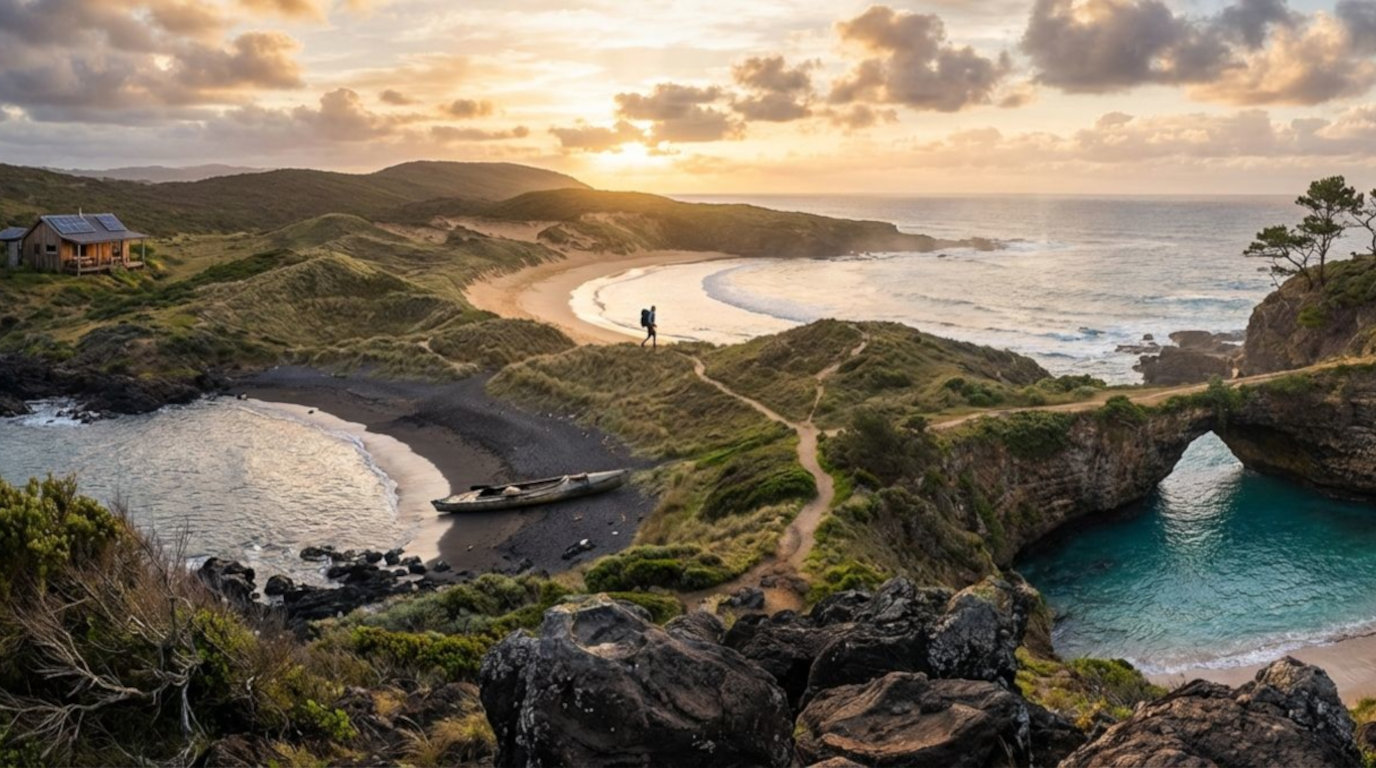
Secret beaches call to travelers who crave solitude, wild nature and unforgettable coastal moments. This guide spotlights 15 lesser-known beaches and coves across the globe, offering clear access tips, local attractions, suggested accommodations, and recommended activities so you can plan responsibly and enjoy these secluded shorelines without the crowds.
Why seek out secret beaches?
Hidden coastal spots offer more than Instagram-perfect photos: they provide a chance to connect with nature, discover local culture, and enjoy outdoor activities with fewer people around. Secret beaches often reward effort with dramatic scenery—towering cliffs, crystalline water, rare wildlife, and peaceful atmosphere. Keep in mind that many of these places require planning, respect for local ecosystems and sometimes physical effort to reach.
How to use this guide
Each beach entry below includes:
- Location (country/region)
- Access tips (how to get there)
- What to expect (facilities, terrain)
- Nearby attractions & accommodation
- Recommended activities
Top 15 secret beaches and how to plan your visit
1. Sandwood Bay — Sutherland, Scotland
Access tips: A hardy 4-mile (6.5 km) walk across moorland and dunes from the nearest parking makes this beach feel wonderfully remote. Wear sturdy shoes and bring a map or GPS.
What to expect: Expansive golden sands, majestic dunes and a dramatic sea stack. No facilities, limited cellphone coverage.
Nearby stays & attractions: Campsites in the region and small B&Bs in nearby villages. Combine your visit with a drive along the North Coast 500 route.
Activities: Beachcombing, wildlife spotting (seals and seabirds), photography and contemplative hikes.
2. Gulpiyuri Beach — Asturias, Spain
Access tips: A short walk from the cliffside road leads to this tiny inland beach — a natural sinkhole connected to the sea by underground tunnels.
What to expect: A fascinating geological wonder with shallow waters and unique views. Facilities are minimal; visit outside peak season for the quietest experience.
Nearby stays & attractions: Explore nearby coastal towns like Llanes and Ribadesella; local seafood is a highlight.
Activities: Photography, short coastal walks and exploring Asturias’ dramatic coastline.
3. Hidden Beach (Playa del Amor) — Marieta Islands, Mexico
Access tips: Accessible only by authorized boat tours from Puerto Vallarta, and regulated to protect fragile ecosystems. Book with licensed providers and respect local rules.
What to expect: A magical beach inside a crater with soft sand and turquoise water—limited space and controlled visitor numbers.
Nearby stays & attractions: Puerto Vallarta offers a wide range of accommodations and other activities like snorkeling with sea life.
Activities: Kayaking, snorkeling, guided ecological tours and responsible wildlife observation.
4. Cala Macarelleta — Menorca, Spain
Access tips: A short but steep hike from Cala Galdana or a walk along coastal paths. Arrive early in summer to find space.
What to expect: Turquoise water, white sand and a relatively sheltered cove—popular locally but still a hidden gem compared to major Balearic beaches.
Nearby stays & attractions: Menorca’s rural hotels and farm stays offer quiet accommodation; try local seafood and explore Menorca’s biosphere reserve.
Activities: Swimming, snorkeling, short coastal treks and sunbathing in a peaceful setting.
5. Polihale Beach — Kauai, Hawaii, USA
Access tips: Reachable via a rough dirt road; a 4×4 vehicle is strongly recommended. Check conditions and local advisories before traveling.
What to expect: Vast beaches and dunes with dramatic views but strong currents—no lifeguards or facilities in many sections.
Nearby stays & attractions: Stay in western Kauai towns and combine Polihale with a visit to Waimea Canyon.
Activities: Beach walking, sunset photography and remote camping (where allowed).
6. Playa del Amor (Hidden Cove) — Marieta-style beaches elsewhere
Access tips: Several countries have small “hidden coves” accessible by small boats or short hikes. Always check permissions and conservation rules.
What to expect: Limited space, unique topography and often regulated visitor access to protect wildlife.
Activities: Snorkeling, guided nature tours and low-impact visits.
7. Playa de las Catedrales (lesser-known stretches) — Galicia, Spain
Access tips: Some rock-arch formations are heavily visited, but farther stretches along the coast are quieter—explore responsibly and check tide timetables.
What to expect: Dramatic rock formations, sea arches and tidal pools—stagger your visit around low tide for the best experience.
Activities: Tidepooling, geology walks and landscape photography.
8. Koh Phra Thong Hidden Strips — Thailand
Access tips: Small wooden boats from mainland ports deliver visitors to quiet stretches. These beaches are perfect for travelers wanting raw beach time without tourist infrastructure.
What to expect: Long empty beaches, seasonal wildlife and rustic local life. Facilities are minimal or non-existent.
Activities: Kayaking, snorkeling, beachcombing and simple homestays.
9. Matarangi’s Lonely Beaches — Coromandel Peninsula, New Zealand
Access tips: Secluded coves are often a short walk from small car parks or reachable by kayak. Off-season visits are quieter and cooler.
What to expect: Golden sand, native bush backdrops and calm water in protected bays.
Activities: Bush-to-beach hikes, paddleboarding and local seafood dining.
10. Cala Mitjana — Menorca, Spain
Access tips: A scenic walk from public car parks leads to this clear-water cove. Avoid peak season if you want solitude.
What to expect: Rocky headlands, pine-shaded backdrops and serene waters ideal for snorkeling.
Activities: Snorkeling, cliff-top picnics and short nature walks.
11. Remote Indonesian Atoll Coves — Lesser Sunda Islands
Access tips: Small ferries, local boat charters or liveaboard trips are common ways to reach remote atoll beaches. Plan for variable schedules and bring supplies.
What to expect: Coral-fringed beaches, offshore reefs and authentic island life. Basic guesthouses or eco-lodges are typical.
Activities: Diving, snorkeling, traditional fishing experiences, and cultural exchanges with local communities.
12. Hidden Caribbean Bays — From Grenadines to Tobago Cays
Access tips: Charter a small boat or join an island-hopping tour. Many small bays are best reached by sea to preserve their pristine condition.
What to expect: White-sand coves, calm turquoise waters and excellent snorkeling. Visitor numbers are often limited by boat capacity.
Activities: Sailing, snorkeling, secluded picnics and marine wildlife viewing.
13. Remote West African Beaches — Bissagos Archipelago, Guinea-Bissau
Access tips: Travel logistics can be complex; plan through reputable local operators and respect local customs and protected areas.
What to expect: Vast, undeveloped beaches, remarkable biodiversity and intimate cultural encounters.
Activities: Guided nature tours, birdwatching and community-based stays.
14. Little-Known Pacific Shores — Vanuatu and Solomon Islands
Access tips: Reachable by small plane or regional ferry. Travel here rewards with few tourists and authentic island life.
What to expect: Pristine coral reefs, palm-fringed sands and welcoming local communities.
Activities: Diving, cultural experiences, and sustainable eco-stays.
15. Hidden Atlantic Coves — Azores’ Secret Bays
Access tips: Many small coves are reached by coastal trails or boat. Weather can change quickly; check forecasts and local guidance.
What to expect: Rugged volcanic coastlines with dramatic cliffs, black sand pockets and clear bays sheltered from swell.
Activities: Whale-watching tours, coastal hikes and geothermal experiences on the islands.
Planning, safety and sustainability tips for visiting secret beaches
- Research local rules: Some areas are protected or require permits (e.g., island reserves). Check official tourism sites before travel. See resources like Lonely Planet and National Geographic for inspiration and context.
- Respect wildlife and ecosystems: Avoid trampling dunes, leave no trace, and don’t remove shells or coral. Sensitive habitats can be irreversibly damaged by careless visitors.
- Safety first: Many secret beaches lack lifeguards, reliable cellphone coverage or medical services. Check tide charts, bring water and first-aid supplies, and travel with a companion when possible.
- Responsible local engagement: Use licensed guides, support community-run accommodations, and follow local customs. This supports conservation and local economies.
- Gear and packing list: Sturdy footwear for hikes, reef-safe sunscreen, a refillable water bottle, snorkeling mask, waterproof bag, and a compact first-aid kit.
How to find more secret beaches
Beyond this list, use these strategies to uncover lesser-known coastal gems:
- Talk to local fishermen and guides — they often know the quietest coves.
- Explore official regional tourism websites and local conservation groups for permitted access points.
- Use satellite imagery (e.g., Google Maps) to identify isolated coves and trails, then verify accessibility locally.
- Join travel communities and forums (e.g., niche Facebook groups, Reddit travel subreddits) for recent trip reports.
Suggested external links
External references that provide reliable context include Lonely Planet, National Geographic, and official national park or tourism sites for each country you plan to visit.
Final tips: planning a memorable, off-the-beaten-path beach trip
Seeking out secret beaches is about balancing adventure with responsibility. Prioritize local rules, safety and conservation to keep these places pristine for future visitors. With good planning—respect for nature and local communities—you’ll find that off-the-beaten-path beaches reward travelers with peace, wild beauty and experiences that outlast any postcard photo.
Ready to explore? Start by choosing one region, researching permits and travel logistics, then plan an itinerary that mixes hidden coves with comfortable rest stops.