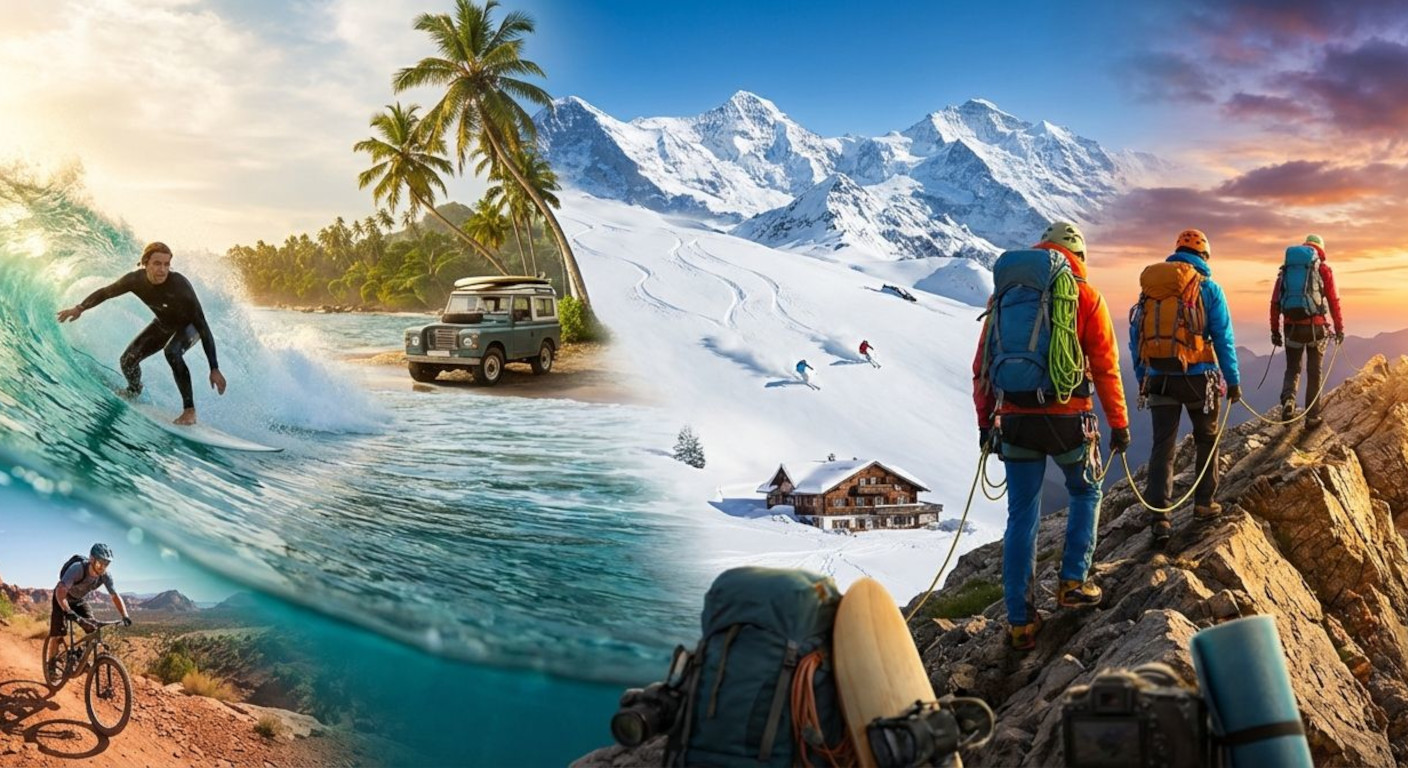
Sports travel can transform training and adventure into an unforgettable journey. Whether you’re planning a week of backcountry skiing, a surf-focused getaway, or a multi-day mountaineering expedition, the key to success is choosing the right destination for your goals and skill level. This guide walks you through the factors to weigh and recommends top locations for a variety of sports.
Why destination choice matters for sports-focused travel
Choosing the right destination affects safety, progress, cost, and the overall enjoyment of your trip. A world-class surf break with no services might thrill advanced surfers but frustrate less experienced travelers who need lessons and rentals. Conversely, a resort with extensive infrastructure can speed skill development for amateurs while offering comfort and convenience.
Key factors to consider when choosing a sports destination
Use this decision checklist to match destinations to your priorities:
- Season and climate: Confirm that the destination offers ideal weather and conditions during your travel window. Check historical climate data and local seasonality.
- Level of difficulty & terrain: Match slope gradients, wave types, or route grades to your ability.
- Infrastructure: Look for guiding services, equipment rental, medical facilities, rescue options, and transport connectivity.
- Costs: Consider airfare, accommodation, guiding fees, lift tickets/permits, and local living expenses.
- Accessibility: How easy is it to reach the start point? Are transfers long or require additional logistics?
- Local regulations & permits: Some activities require permits or have protected-area rules.
- Crowds & timing: Peak seasons can mean crowds and higher prices; shoulder seasons often offer better value.
- Safety & emergency response: Availability of mountain rescue, lifeguards, or nearby hospitals matters—especially for remote destinations.
- Community & culture: Local attitude toward visitors and the sporting culture can enhance the experience.
Sport-specific destination guides
Skiing & Snowboarding
When planning trips for skiing and snowboarding, prioritize snow reliability, lift infrastructure, and terrain variety. Top options:
- Alps (France, Switzerland, Austria, Italy) — Excellent lift networks, après-ski, and options for all levels. Consider Chamonix for extreme terrain and Les Arcs or St. Anton for broad resort offerings. See the International Ski Federation for competition standards: FIS.
- Rocky Mountains (USA & Canada) — Reliable snowfall, backcountry access, and well-equipped resorts (Whistler, Aspen, Jackson Hole).
- Japan (Hokkaido) — Legendary powder, unique culture, and excellent guided options.
- Southern Hemisphere (Chile & New Zealand) — Great for off-season training during the Northern Hemisphere summer.
Tip: If you’re training for competition, choose resorts with terrain parks and training facilities. For backcountry, confirm availability of local avalanche forecasts (e.g., national avalanche centers).
Surfing
Surf destination choice hinges on wave type, swell consistency, and support services (lessons, board rentals, medical). Top picks:
- Hawaii (North Shore, Oahu) — World-class big waves for experts and a strong surf culture.
- Indonesia (Bali, Mentawai) — Consistent swells and breaks for many skill levels; consider charter options for remote reefs.
- Portugal (Nazaré, Ericeira) — Famous for giant waves at Nazaré and a variety of breaks near Ericeira.
- Central America (Costa Rica, Nicaragua) — Excellent consistency, warm water, and a growing surf tourism infrastructure.
Resources: Check reports from the World Surf League and local surf forecast sites before booking.
Mountaineering & Alpine Climbing
For mountaineers, consider altitude, technical difficulty, and required permits. Strong options:
- Himalayas (Nepal) — Classic high-altitude climbs; Sagarmatha (Everest) region for expedition-style trips (permits required).
- Andes (Peru, Argentina, Chile) — High-altitude training with varied technical routes.
- European Alps — Accessible for mixed rock/ice climbs with great guiding infrastructure.
Before you go, research acclimatization schedules, guided options, and safety standards from organizations like the UIAA.
Rock Climbing (Sport & Trad)
Choose destinations based on rock type, grade ranges, and access. Examples:
- Yosemite, USA — Legendary big-wall trad routes (experience required).
- Kalymnos, Greece — Sport climbing with bolted routes and welcoming climbing communities.
- Red River Gorge, USA — Dense concentration of overhanging sport routes.
Trail Running & Mountain Biking
Look for trail diversity, elevation change, and race calendars if you want to align with events. Consider:
- Dolomites, Italy — High alpine trails and classic mountain runs.
- Moab & Sedona, USA — World-class mountain bike trails.
- Madeira, Portugal — Trails with dramatic coastal views and technical singletrack.
How to compare destinations: a practical scoring system
Create a simple scoring rubric to rank destinations based on your priorities. Score each on a 1–5 scale:
- Condition reliability (snow, swell, weather)
- Accessibility (flights, transfers)
- Infrastructure (guides, rentals, medical)
- Cost (travel + local prices)
- Experience quality (scenery, crowd, local culture)
Total the scores and choose destinations with the highest fit for your aims. Keep separate columns for “training” and “leisure” priorities if needed.
Budgeting and logistics for sports travel
Costs can vary widely. Tips to manage budget:
- Book flights in advance and be flexible with dates.
- Consider shoulder seasons for lower prices but good conditions.
- Rent equipment locally when feasible rather than shipping bulky gear; only carry essential personal items (boots, specialty gear).
- Group trips can reduce guiding costs per person.
For remote expeditions, factor in permit fees, guide deposits, and emergency evacuation insurance. Look into sport-specific insurance providers that cover high-risk activities.
Safety, permits and environmental responsibility
Safety should be non-negotiable. Always:
- Check official advisories and local weather forecasts (e.g., NOAA for marine and weather data).
- Hire certified guides for technical or high-risk activities.
- Confirm permit requirements and carry necessary documentation.
- Practice Leave No Trace principles to protect natural resources.
Packing and training recommendations
Create a checklist tailored to your sport. Essentials often include:
- Appropriate clothing layers and protection (UV, cold, wind)
- Personal safety gear (helmet, avalanche beacon, personal flotation device)
- Repair kit and basic tools
- Nutrition and hydration planning for multi-day activities
Train specifically for the demands of the trip: altitude acclimatization for mountaineering, paddling endurance for multi-day SUP trips, or interval training for trail ultramarathons.
Sample itineraries (3–7 days) by sport
3-Day Surf Trip: Central America
- Day 1: Arrival, orientation, and warm-up session with a local instructor.
- Day 2: Full-day guided surf session with video feedback.
- Day 3: Explore a secondary break or practice strategy and travel home.
5-Day Backcountry Ski Camp: Canadian Rockies
- Day 1: Travel and safety briefing with avalanche training.
- Day 2–4: Guided ski tours with increasing complexity.
- Day 5: Ski down and return home, with time for gear checks.
How to find trusted local operators and guides
Use these approaches to find high-quality providers:
- Read reviews on specialized platforms and verify certifications (e.g., IFMGA guides for mountaineering).
- Ask for references and look for transparent pricing and written safety protocols.
- Contact national sport federations or tourism boards for recommended operators (city or regional tourism sites often list accredited guides).
Useful external resources
- International Ski Federation — Competition and event information.
- World Surf League — Surfing news and event calendar.
- International Climbing and Mountaineering Federation (UIAA) — Safety and mountain ethics.
- NOAA — Weather and marine forecasts.
Final checklist before booking
- Confirm the destination’s season aligns with your travel dates.
- Verify guiding and rescue options in case of emergency.
- Budget for hidden costs: permits, tips, and transport to remote access points.
- Have contingency plans for weather and cancellations.
Conclusion
Sports travel offers powerful incentives to explore the world while improving skills and enjoying immersive experiences. By focusing on condition reliability, infrastructure, and personal objectives, you can narrow down the ideal destination—whether for surf, snow, mountains, or trails. Use the scoring system and sport-specific recommendations in this guide to pick a place that matches your goals, budget, and appetite for adventure.
Ready to start planning? Choose one sport, score prospective destinations with the rubric above, and contact accredited local guides for a safe and memorable trip.