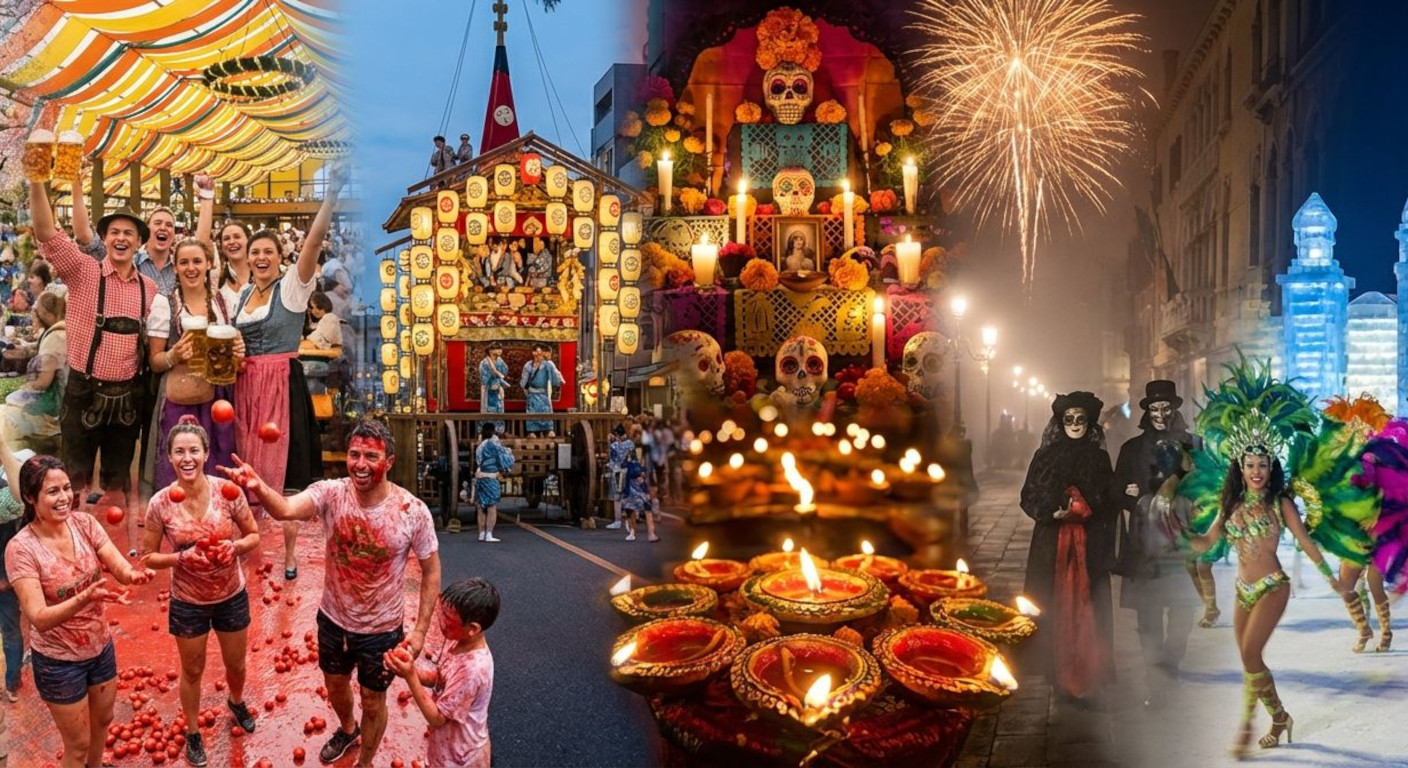
Cultural festivals worth visiting bring communities together, celebrate heritage and offer travelers immersive experiences that go far beyond typical sightseeing. In this guide you’ll find a carefully selected list of festivals from multiple continents, with practical advice on timing, participation and cultural etiquette to help you plan meaningful travel.
Why include festivals in your travel plans?
Attending a festival transforms a trip into a lived cultural exchange. Festivals reveal local history, music, cuisine, and social values in ways that museums alone cannot. They provide opportunities to:
- Engage with authentic traditions preserved across generations.
- Learn local stories through performance, ritual and food.
- Create memorable encounters with residents, artisans and performers.
- Capture unique photography and sensory experiences unavailable at other times.
How to use this guide
Each festival entry includes: what it is, where it’s held, the best time to go, practical tips for travelers, and notes on how the experience enriches cultural understanding. For further planning, consult official tourism pages and reliable cultural resources such as UNESCO and Britannica.
Top cultural festivals worth visiting
1. Rio Carnival — Rio de Janeiro, Brazil
What it is: The Rio Carnival is a world-famous celebration of samba, extravagant floats and street parades that transform the city into a living stage. It blends African, Portuguese and Indigenous influences into a dazzling cultural display.
Where: Rio de Janeiro, Brazil — with the main parades at the Sambadrome and countless blocos (street parties) across neighborhoods.
Best time to visit: February or early March (dates vary with Lent).
Practical tips:
- Book accommodations and parade tickets months in advance; Carnival draws global visitors.
- Join smaller blocos for a more authentic, community-driven experience.
- Respect local customs and stay aware of pickpocketing in crowded areas.
Why it enriches travel: Carnival offers insight into Brazil’s cultural syncretism, community pride and musical heritage — an immersive lesson in national identity.
2. Diwali — India (pan-Indian celebration)
What it is: Diwali, the Festival of Lights, is a multi-day Hindu celebration symbolizing the victory of light over darkness. It involves lamps, fireworks, family gatherings and sweet offerings.
Where: Celebrated across India and in Indian communities worldwide; notable experiences in Jaipur, Varanasi and Amritsar.
Best time to visit: October or November (dates vary with the lunar calendar).
Practical tips:
- Learn basic cultural etiquette—dress modestly when visiting homes or temples.
- Participate in public light displays and local markets; try traditional sweets but be mindful of noise and firework regulations.
- Book travel early; trains and flights fill up around major holidays.
Why it enriches travel: Diwali is a deeply communal event where visitors can witness ritual, hospitality and culinary traditions that convey spiritual and familial values.
3. Día de los Muertos (Day of the Dead) — Mexico
What it is: A vivid, centuries-old celebration honoring deceased loved ones with altars (ofrendas), marigolds, sugar skulls and processions. It combines Indigenous beliefs with Catholic traditions.
Where: Nationwide, with notable celebrations in Mexico City, Oaxaca and Pátzcuaro.
Best time to visit: Late October to early November (Oct 31–Nov 2).
Practical tips:
- Approach respectfully—this is a solemn as well as celebratory tradition.
- Visit cemeteries and community altars; ask permission before photographing people or private ofrendas.
- Join cultural tours led by local guides to deepen context and avoid tourism that commodifies grief.
Why it enriches travel: The festival reveals how communities remember and celebrate life and death—an intimate cultural perspective that fosters empathy and cross-cultural understanding.
4. Harbin International Ice and Snow Sculpture Festival — China
What it is: One of the world’s largest ice festivals featuring monumental ice sculptures, illuminated castles and nighttime light shows carved from the frozen Songhua River.
Where: Harbin, Heilongjiang Province, northeastern China.
Best time to visit: January to February (peak festival period during bitterly cold winter).
Practical tips:
- Dress in extreme cold-weather layers; temperatures can drop well below freezing.
- Plan indoor cultural stops—museums and local cuisine help warm up between outdoor exhibits.
- Book warm, centrally located lodging and purchase event tickets ahead of peak dates.
Why it enriches travel: The festival highlights regional climate adaptation, craftsmanship and a creative use of natural materials that connects art to environment.
5. La Tomatina — Buñol, Spain
What it is: A massive tomato-throwing event that has evolved into an iconic, messy, and exuberant communal celebration.
Where: Buñol, a small town near Valencia, Spain.
Best time to visit: Last Wednesday of August annually.
Practical tips:
- Wear old clothes and protective eyewear; consider using local lockers and rental services for belongings.
- Respect local organizers’ rules—there are safety and timing guidelines to follow.
- Combine the trip with exploration of Valencia’s culinary scene and cultural sites.
Why it enriches travel: While playful and contemporary, La Tomatina offers insight into communal rituals and how local traditions can evolve into global cultural events.
6. Venice Carnival — Venice, Italy
What it is: A historic festival famed for elaborate masks, opulent costumes and masked balls that reflect Venice’s long history of pageantry and art.
Where: Venice and nearby islands, Italy.
Best time to visit: February (two weeks preceding Lent).
Practical tips:
- Reserve events and accommodations early; mask workshops offer hands-on cultural learning.
- Balance busy piazzas with visits to lesser-known sestieri (neighborhoods) to see daily Venetian life.
- Be mindful of crowded tourist hotspots and practice responsible tourism to protect fragile historic sites.
Why it enriches travel: Venice Carnival connects visitors to the city’s aristocratic and theatrical past while encouraging appreciation for craftsmanship in costume and mask-making.
7. Cherry Blossom (Hanami) — Japan
What it is: Hanami, the centuries-old tradition of viewing cherry blossoms, is a seasonal celebration of nature, new beginnings and social gatherings under blooming trees.
Where: Major viewing spots include Tokyo, Kyoto, Osaka and many regional parks.
Best time to visit: Late March to early April (dates vary by region and year).
Practical tips:
- Check bloom forecasts early in the year and be flexible with dates.
- Join a hanami picnic to experience local picnic culture—pick up seasonal snacks at convenience stores or markets.
- Respect park rules and clean up after gatherings to honor communal spaces.
Why it enriches travel: Hanami fosters appreciation for seasonality, fleeting beauty and the social rituals that shape Japanese communal life.
8. Oktoberfest — Munich, Germany
What it is: The world’s largest beer festival, rooted in Bavarian tradition, featuring beer tents, traditional music, folk costumes and regional food.
Where: Munich, Bavaria, Germany (Theresienwiese fairgrounds).
Best time to visit: Late September to early October.
Practical tips:
- Reserve tent tables ahead of time for a guaranteed spot, or go early on weekdays for better access.
- Try regional dishes like roast chicken, pretzels and sausages alongside local brews.
- Respect local customs—toast with eye contact and follow tent etiquette.
Why it enriches travel: Oktoberfest offers a deep dive into Bavarian social traditions, music and culinary customs—an accessible way to experience regional identity.
9. Edinburgh Festival Fringe — Edinburgh, Scotland
What it is: The world’s largest arts festival, featuring thousands of performances across theater, comedy, music and dance, staged in venues citywide.
Where: Edinburgh, Scotland (August).
Best time to visit: August, during the city’s festival month.
Practical tips:
- Plan your schedule—book standout shows early and leave room for spontaneous discovery.
- Explore fringe venues in Old Town for emerging local artists and experimental works.
- Combine performances with walking tours to connect the arts with Edinburgh’s historic setting.
Why it enriches travel: Fringe showcases contemporary cultural expression and grassroots creativity, offering travelers an up-close view of how art reflects social concerns.
10. Gion Matsuri — Kyoto, Japan
What it is: One of Japan’s most famous traditional festivals, Gion Matsuri features ornate floats, religious processions and summer events rooted in centuries-old Shinto practices.
Where: Kyoto, centered in the historic Gion district.
Best time to visit: July, with main processions (yamaboko junko) on July 17 and 24.
Practical tips:
- Attend early morning or evening processions to avoid peak crowds and heat.
- Support local vendors and artisans—many traditional crafts are showcased during the festival.
- Learn basic Shinto etiquette if visiting shrines; be respectful during rituals.
Why it enriches travel: Gion Matsuri provides a window into ritual, craftsmanship and the ways urban communities keep historical practices alive in modern life.
Practical planning tips for festival travelers
- Timing and flexibility: Festivals follow local calendars or lunar cycles—build flexibility into your itinerary and monitor official dates.
- Advance booking: Festivals often coincide with peak tourism; reserve flights, hotels and event tickets early.
- Local guides and tours: Use knowledgeable local guides for context, safety and deeper cultural understanding—this also supports local economies.
- Responsible participation: Observe cultural norms, ask before photographing private rituals, and support authentic local businesses rather than exploitative tourism.
- Packing: Prepare for weather extremes, crowded environments and cultural dress codes; carry a portable charger and a compact first-aid kit.
How festivals deepen cultural immersion
Festivals function as cultural textbooks in motion. They allow travelers to witness the living practices that embody history, religion and social values. Whether through ritual, music, cuisine or costume, festivals make abstract cultural concepts tangible. Participating respectfully builds mutual understanding and often opens doors to local hospitality and storytelling that extend far beyond the event itself.
Further reading and resources
For responsible festival travel and official dates, consult national tourism sites and cultural institutions. Useful resources include:
- UNESCO — for Intangible Cultural Heritage listings and context.
- Asia-Europe Foundation (Culture360) — artist and festival resources.
- Lonely Planet and official tourism boards — for travel planning tips and regional updates.
Final thoughts
Choosing to travel during a festival can transform a trip into a profound cultural exchange. These cultural festivals worth visiting present diverse ways communities celebrate history, spirituality and creativity. With thoughtful planning, respectful participation and an open mind, festival travel becomes a powerful way to connect with the world and enrich your understanding of global cultures.
Start by picking one festival that resonates with your interests, check official dates, book early, and prepare to listen, learn and participate respectfully.