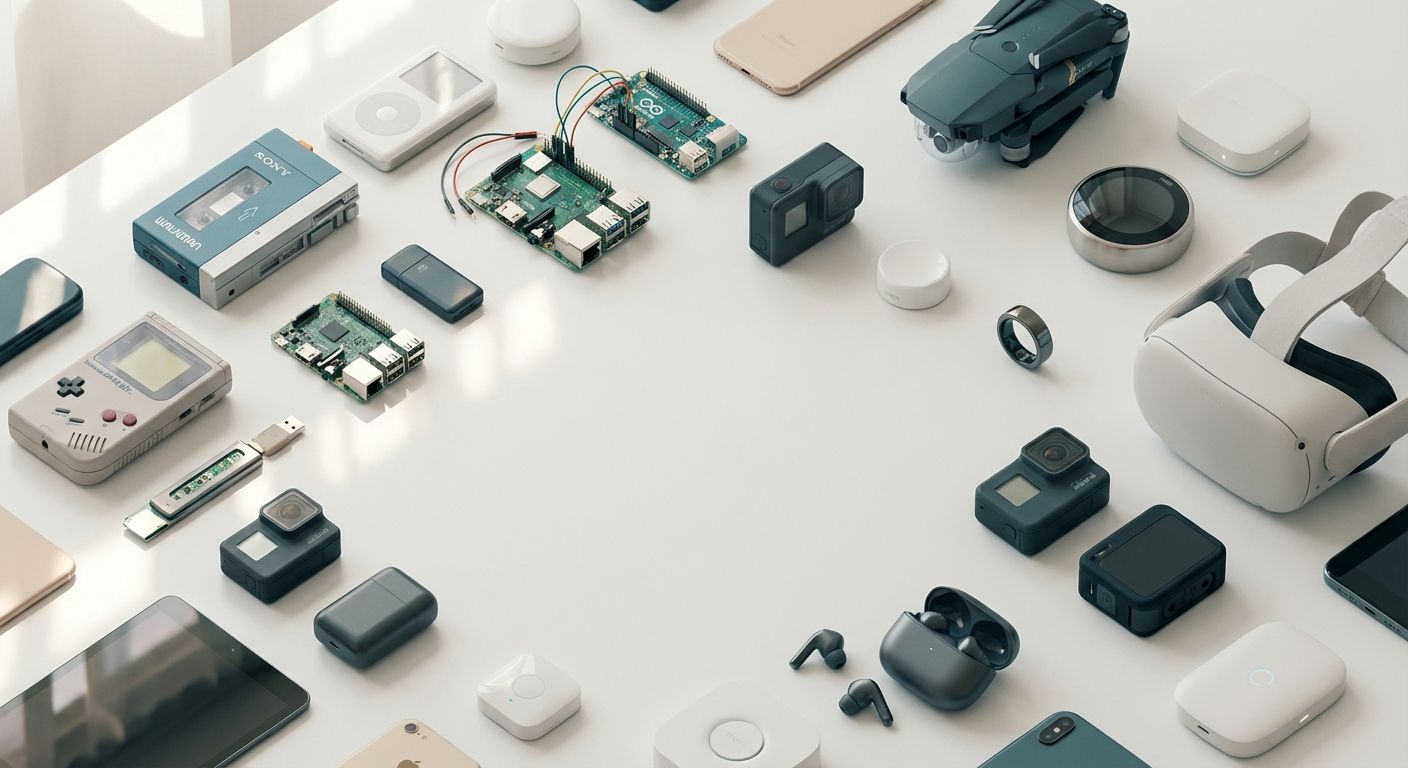
Most creative gadgets have rewritten expectations about what devices can do, blending ingenuity, design and practical impact. In this comprehensive guide we showcase 100 standout devices—each selected for originality, influence on innovation and real-world utility. Whether a quirky novelty that inspired a trend or a breakthrough tool that changed industries, these gadgets reveal how creativity fuels technological progress.
Why creative gadgets matter
Creative gadgets are more than curiosities; they act as catalysts for new ideas. A single inventive device can influence product design, inspire startups, shift consumer behavior and even create new markets. The gadgets listed below embody different flavors of creativity: elegant engineering, playful interaction, radical reinvention, and cross-disciplinary innovation. Recognizing these patterns helps enthusiasts and makers anticipate the next wave of innovative gadgets.
How we selected these gadgets
Selection criteria included:
- Originality: novel approach to solving a problem or creating delight.
- Impact: measurable influence on culture, industry or daily life.
- Design and usability: how well the gadget communicates purpose and delivers value.
- Legacy: whether it inspired subsequent products or trends.
Categories covered
To make this list easier to scan, gadgets are grouped into categories: wearables, home and lifestyle, computing & peripherals, audio & media, health & fitness, mobility, robotics & toys, and experimental & concept devices. Each entry includes a short description and its notable impact. This post is written for technology enthusiasts, consumers of electronics and readers curious about tech trends—ideal for those who want both breadth and insight.
Top 100 most creative gadgets (compact descriptions)
Below are 100 gadgets, numbered and briefly described. For deeper reading on specific items, authoritative sources like Wired, The Verge and museum collections (Smithsonian) provide detailed histories and technical breakdowns.
- Walkman (Sony, 1979) — Portable cassette player that pioneered personal, portable music and the idea of private audio consumption.
- iPod (Apple, 2001) — Simplified digital music and set the stage for modern mobile ecosystems.
- Nintendo Game Boy (1989) — Portable gaming with long battery life; launched handheld game culture.
- Palm Pilot (1996) — Early PDA that popularized mobile productivity and stylus-driven input.
- Fitbit Classic (2009) — Consumer fitness tracker that made quantified-self mainstream.
- Amazon Echo (2014) — Brought voice assistants into the home and enabled voice-first interactions.
- Roomba (iRobot, 2002) — Consumer robot vacuum that normalised autonomous home cleaning robots.
- DJI Phantom (2013) — User-friendly consumer drone that democratized aerial photography.
- GoPro HERO (2004) — Rugged action camera enabling new sports and documentary perspectives.
- Kindle (Amazon, 2007) — E-reader that accelerated digital publishing and portable reading.
- Smartphone (multi-vendor, 2007+) — Converged computing, communication and sensors into a pocket computer.
- VR Headsets (Oculus Rift, 2012) — Revived immersive virtual reality experiences for consumers and developers.
- 3Doodler (3D pen, 2013) — Handheld 3D printing-style pen for sculpting with heated plastic.
- 3D Printer (RepRap/consumer boom) — Made rapid prototyping and small-scale manufacturing accessible.
- Leap Motion Controller (2013) — Gesture-based input that influenced touchless interfaces.
- Arduino (2005) — Open-source microcontroller platform that fueled DIY hardware innovation.
- Raspberry Pi (2012) — Tiny affordable computer that expanded learning and maker projects.
- Chromecast (2013) — Simple streaming dongle that simplified casting media to TVs.
- Tile Tracker (2013) — Popularized small Bluetooth trackers for finding lost items.
- Ring Video Doorbell (2013) — Home security gadget that combined convenience and remote monitoring.
- Polaroid Instant Camera (1948 revival) — Immediate physical photos and the resurgence of instant-film charm.
- DJI Osmo Pocket (2018) — Pocket gimbal camera making stabilized video portable for creators.
- Nest Learning Thermostat (2011) — Smart home thermostat that learned patterns and saved energy.
- Tile and AirTags (Apple, 2021) — Item-finding networks leveraging large device ecosystems.
- Microsoft Kinect (2010) — Depth-sensing camera enabling motion controls and creative applications.
- Snap Spectacles (2016) — Wearable camera glasses blending social capture and fashion experiments.
- Electric Toothbrush with Sensors — Smart brushing feedback that improved dental care routines.
- Smart Locks (e.g., August) — Keyless entry and remote door control for modern homes.
- Biohacking Kits / At-home DNA kits — Democratized access to personal genomics and experimentation.
- Wearable Air Purifiers — Personal air filtration improving air-quality awareness.
- Smart Ring (e.g., Oura) — Miniaturized health tracking with sleep and readiness metrics.
- e-ink Notebooks (e.g., reMarkable) — Digital writing surfaces that mimic paper with low power use.
- Mobile Payment Terminals (Square) — Simplified mobile credit card acceptance for small businesses.
- Theragun (Percussive therapy) — Consumerized percussive muscle therapy making recovery accessible.
- Solar-powered chargers — Portable renewable energy solutions for outdoor and emergency use.
- Smart light bulbs (Philips Hue) — App-controlled lighting that introduced programmable ambiances.
- Portable Projectors (Pico) — Mini projectors bringing big-screen viewing anywhere.
- Wearable translation devices — Real-time translation that reduces language friction across travelers.
- Smart Mirrors — Mirrors with integrated displays for fitness and daily information.
- Connected Coffee Machines — IoT appliances enabling remote brewing and customization.
- Wireless Earbuds (AirPods) — True wireless audio that redefined convenience and pairing UX.
- Noise-Cancelling Headphones (Bose) — Elevated personal audio and travel comfort.
- Smart Scales — Body composition tracking and integrated health ecosystems.
- Gesture-controlled Wearables — New interaction paradigms using motion as input.
- Smart Pet Feeders / Trackers — Connected devices improving pet care and monitoring.
- Digital Cameras with Wi‑Fi — Bridged point-and-shoot quality with instant sharing.
- Smart Bike Locks and Trackers — Security and telemetry for urban cycling.
- Portable SSDs and NVMe drives — High-speed, small-form storage changing data workflows.
- Bluetooth-enabled Medical Devices — Remote monitoring enabled telehealth growth.
- Smart Plant Sensors — Home gardening assistance and resource optimization.
- Interactive Robotic Pets (Sony Aibo) — AI-driven companionship that tests social robotics.
- Smart Plugs and Energy Monitors — Simple automation and visibility into household energy use.
- Fingerprint Payment Wearables — Biometrics simplified low-friction purchases.
- Pocket Translation Devices (Pocketalk) — Dedicated devices for instant multi-language translation.
- Modular Smartphones (Project Ara concept) — Pushed conversations about repairability and modular design.
- Flexible Displays (early prototypes) — Demonstrations of next-gen form factors for phones and wearables.
- Smart Contact Lenses (concepts) — Eyewear evolution toward unobtrusive AR and health sensing.
- Gesture-controlled Music Instruments — New expressive tools merging sensors and art.
- UV Sanitizers for Phones — Sanitation solutions for everyday devices.
- Portable ECG monitors — Empowered individuals to capture heart data at home.
- Self-cleaning Water Bottles — UV-C integration to improve hygiene on the go.
- Smart Baby Monitors — Advanced sensors for safety and parent peace of mind.
- Pocket-sized Language Tutors (apps + devices) — Microlearning tools for travel and education.
- Miniature Projector Keychains — Novelty micro-projection for impromptu sharing.
- Voice-controlled Kitchen Assistants — Hands-free recipes and timers for modern cooking.
- Portable Medical Diagnostics — Rapid tests and point-of-care devices expanding access.
- Modular Smart Home Ecosystems — Interoperability concepts shaping the smart home future.
- Social Robots for Eldercare — Companion devices assisting aging populations.
- Low-cost LTE Hotspots — Mobile internet access expanding remote work possibilities.
- Smart Luggage (location + charging) — Travel gear that eased logistics for frequent travelers.
- Augmented Reality Glasses (early prototypes) — Blended information layers and spatial computing tests.
- Miniature Folding E-bikes — Compact mobility solutions reshaping urban commutes.
- Wireless Charging Pads — Cable-free power introduced convenience and standardization efforts.
- Smart Sleep Masks — Tech-enabled sleep improvements with tailored stimuli.
- Haptic Feedback Devices — Tactile interfaces improving immersion and accessibility.
- Personal Safety Wearables — Panic buttons and location sharing for personal security.
- Connected Thermostatic Shower Heads — Water and temperature control with conservation benefits.
- Biometric Wallets and Anti-theft Backpacks — Security combining smart locking and tracking.
- Wearable Payment Bands — Frictionless transactions integrated into fashion.
- Compact Weather Stations — Consumer-grade local weather sensing for enthusiasts.
- Smart Home Gym Equipment — Connected fitness machines bringing trainer-led experiences home.
- Digital Art Frames (e.g., Meural) — Rotating displays for personal art curation.
- Smart Glasses for Accessibility — Devices aiding visual or hearing impairments with AI.
- IoT Agriculture Sensors — Precision farming technology scaling to small growers.
- Edge AI Devices (on-device inference) — Privacy-preserving, low-latency intelligence at the edge.
- Multifunctional Survival Tools with Smart Features — Outdoor gear that blends traditional tools with sensors.
- Microcontrollers for Education (Micro:bit) — Simplified hardware coding for classrooms worldwide.
- Wearable Posture Trainers — Gentle haptic reminders to encourage healthier habits.
- Smart Toilets (bidet with sensors) — Health insights and hygiene improvements from bathroom tech.
- Compact Home Labs (for learning biology) — Democratized wet-lab experiences for education.
- AI-assisted Cameras for Wildlife Monitoring — Conservation tech that amplifies field research.
- Gesture-controlled Drones — Intuitive piloting that reduces learning curves for aerial filming.
- Interactive Projection Toys — Blending physical play with digital augmentation for children.
- Battery-free IoT Tags (energy harvesting) — Maintenance-free sensing for logistics and tracking.
- Personal Air Quality Monitors — Portability raised public awareness about pollution.
- Smart Insoles — Gait analysis and comfort tuning inside shoes.
- Compact DNA Sequencers (portable) — Field genomics and rapid biological insight capabilities.
- Wearable Cameras for Action Sports — New POV storytelling and performance analysis.
- Self-stabilizing Gimbals for Phones — Smooth video capture without bulky rigs.
- Connected Health Platforms (telemedicine kits) — Integrated tools enabling remote diagnostics and care.
- Noise-mapping Devices — Personal and civic awareness about urban noise pollution.
- Smart Health Patches — Wearable sensors monitoring glucose, temperature, and more.
- Modular Robotics Kits — Accessible platforms teaching robotics and automation at all ages.
- Portable Translation Earbuds — Near-instant spoken language translation in-ear.
- Electronic Paper Displays for Signage — Ultra-low-power dynamic signage in retail and logistics.
- Smart Bike Helmets with Safety Sensors — Impact detection and visibility improving rider safety.
- Customizable Mechanical Keyboards — Enthusiast-driven input with tactile personalization.
- Connected Hearing Aids with App Control — Personalization and streaming for improved accessibility.
Patterns and lessons from these gadgets
Several themes emerge from the list above:
- Convergence: Many breakthroughs fused existing technologies—sensors, connectivity and AI—into new experiences.
- Miniaturization: Shrinking components unlocked portability and new use cases.
- Accessibility: Lower costs and open platforms (Arduino, Raspberry Pi) democratized invention.
- Human-centered design: Successful gadgets addressed real-world rituals or created compelling new habits.
- Ecosystems: Devices that connected into larger platforms (smartphones, cloud services) had outsized impact.
How these gadgets influence future innovation
Studying past creative devices offers a roadmap for future invention: focus on friction reduction, meaningful data, delightful interactions, and interoperability. The next generation of creative tech gadgets will likely blend on-device AI, privacy-first design, adaptive hardware and sustainable materials.
Further reading and sources
For deeper context on specific gadgets, consult reputable outlets and archives such as Wired, The Verge, the Smithsonian National Museum of American History, and manufacturer histories. These sources provide timelines, technical details and cultural commentary.
Conclusion
The 100 devices listed above demonstrate how the most creative gadgets combine technology, design and cultural timing to create meaningful change. Whether enabling new art forms, improving health outcomes, or simply adding convenience, creative gadgets are a vivid record of human ingenuity. Keep observing, prototyping and learning—today’s novelty can become tomorrow’s essential tool.