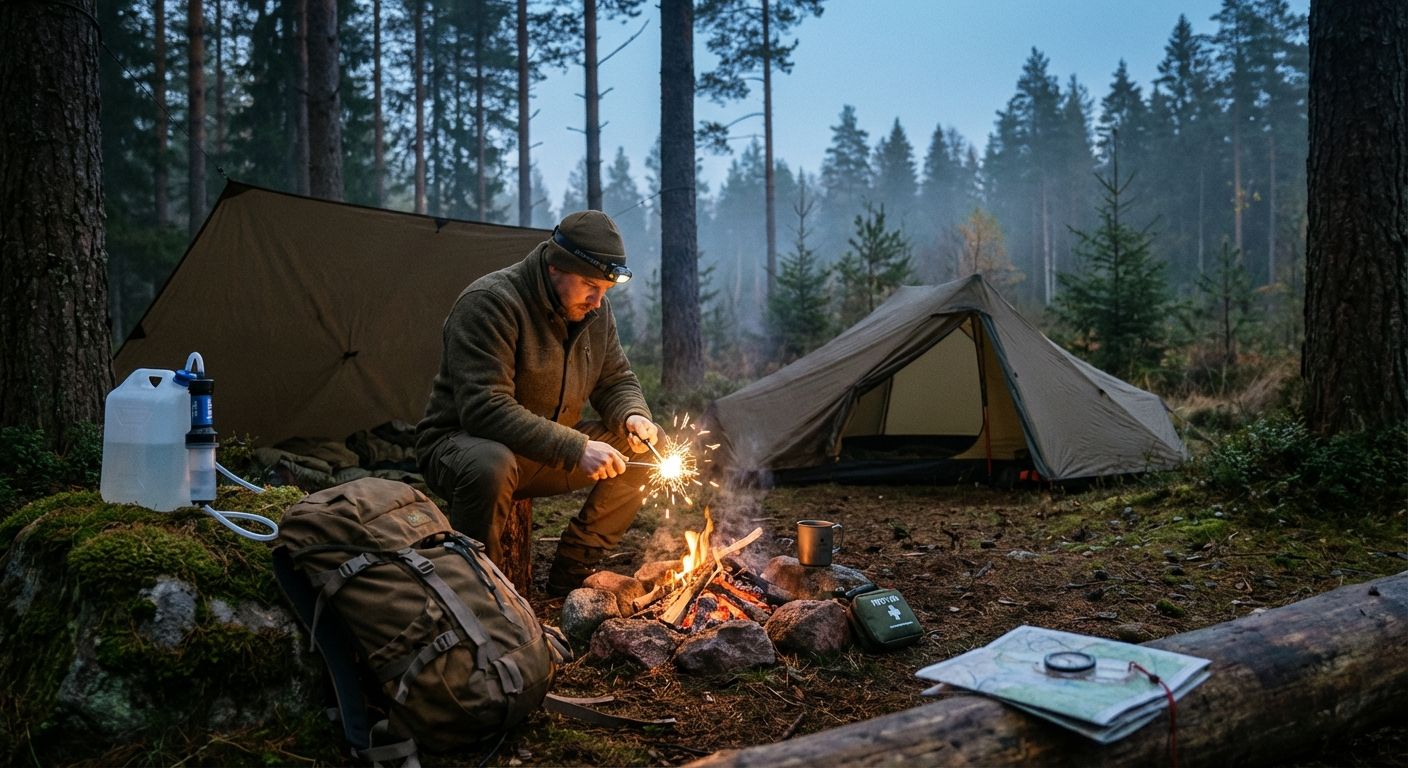
Survival techniques are the foundation of safe, enjoyable, and resilient outdoor adventures. Whether you’re a weekend camper, a bushcraft enthusiast, or an ecotourist exploring remote trails, mastering core survival skills increases your confidence and readiness for unexpected situations.
Introduction: Why Survival Techniques Matter
Outdoor activities are inherently rewarding but can present hazards when conditions change or mistakes happen. The goal of this guide is to provide a practical, field-tested set of survival techniques that emphasize prevention, preparation, and simple, reliable responses. These techniques are designed to help you stay safe, minimize risk, and make better decisions in the wild.
1. Planning and Preparation: The First Survival Technique
Prevention is the most powerful survival tool. Quality planning reduces the need for emergency survival actions. Key steps:
- Research your route and weather: Check official sources like the National Park Service or local park authorities for trail conditions and alerts.
- Tell someone your plan: Share your itinerary, expected return time, and emergency contact information with a trusted person.
- Know your limits: Match trip difficulty to your fitness and experience. It’s better to turn back earlier than to push into dangerous conditions.
- Pack intentionally: Use a checklist focused on essentials: navigation, shelter, fire, water, food, first aid, and communication.
2. Shelter: Creating Protection from the Elements
Prioritizing shelter is critical to prevent hypothermia, heat stress, or exposure. Shelter technique basics:
Selecting a Site
- Choose high, dry ground: Avoid valleys where cold air pools and flood zones.
- Look for natural barriers: Trees and rocks can block wind and provide firewood sources.
- Be mindful of hazards: Avoid dead branches overhead and unstable slopes.
Simple Emergency Shelters
- Tarp lean-to: Fast to build and effective for wind protection.
- A-frame shelter: Good for shedding rain and holding insulating debris.
- Debris hut: Low-tech, excellent insulation if constructed with thick layers of leaves and branches.
Practice building each shelter type in safe conditions so you can do it efficiently when needed.
3. Firecraft: Heat, Light, and Morale
Fire is a multi-purpose survival tool: it provides warmth, signals rescuers, purifies water, and lifts morale. Firecraft is a core set of survival techniques.
Fire Basics
- Tinder, kindling, and fuel: Gather dry grasses, bark, small sticks, then progressively larger wood.
- Fire lays: Try a teepee for quick ignition or a log cabin for sustained heat.
- Ignition methods: Waterproof matches, lighters, ferro rods, and flint. Learn friction methods like bow drill as a last resort.
Always follow local fire regulations and fully extinguish fires to prevent wildfires. For official guidance on campfire safety, see the U.S. Forest Service.
4. Water: Finding and Purifying
Access to potable water is non-negotiable. Use layered techniques for safety.
Sources and Collection
- Natural sources: Streams, springs, and lakes—prefer flowing water.
- Rain catchment: Use a tarp or poncho to collect freshwater during storms.
- Solar stills: Useful in dry conditions but low-yield.
Purification Methods
- Boiling: Time-tested—boil for 1 minute (3 minutes above 2,000 meters).
- Filtration: Portable filters remove protozoa and bacteria; combine with chemical treatment if viruses are a concern.
- Chemicals: Iodine or chlorine dioxide tablets—carry and know correct dosing.
For public health guidance on water safety, review resources from the CDC.
5. Food and Foraging: Sustaining Energy
Short-term survival relies on conserving energy and maintaining calories. Bring high-energy foods and know basic foraging rules.
- Pack calorie-dense staples: Nuts, dehydrated meals, energy bars, and jerky.
- Foraging caution: Only eat wild plants you can positively identify; when in doubt, do not consume.
- Fishing and trapping: Useful skills but require practice and local knowledge of regulations.
6. Navigation: Finding Your Way
Navigation is a core component of survival techniques—prevents getting lost and aids rescue.
Tools
- Map and compass: Primary navigation tools; learn to use them without electronics.
- GPS devices: Reliable but dependent on batteries. Carry spare power and know fallback methods.
- Natural navigation: Sun, stars, and terrain features can help orient you in a pinch.
Lost-Mode Strategy
- Stop and assess: Conserves energy and reduces panic.
- Try to retrace steps: Only when safe and feasible.
- Make a plan: If unable to reorient, build shelter, signal, and conserve resources until help arrives.
7. First Aid and Trauma Management
Immediate first aid reduces the severity of many wilderness incidents. Carry a well-stocked first aid kit and know how to use it.
- Stop bleeding: Apply pressure and dress wounds.
- Immobilize fractures: Splint with clothing or sticks to prevent further injury.
- Treat hypothermia: Remove wet clothing, insulate, and use warm, dry coverings.
Consider formal wilderness first aid training and consult reputable organizations such as the Red Cross for course options.
8. Essential Gear for Survival
Pack multi-use, lightweight gear that covers basic survival functions. Essentials include:
- Navigation kit: Map, compass, GPS, and whistle.
- Firestarter kit: Waterproof matches, lighter, ferro rod, and tinder.
- Shelter system: Tarp, emergency bivvy, or lightweight tent.
- Water treatment: Filter, purification tablets, and container.
- First aid kit: With trauma essentials and personal medications.
- Knife or multi-tool: For cutting, repairs, and food prep.
- Light source: Headlamp with spare batteries.
9. Survival Mindset and Decision-Making
Technical skills are amplified by a calm, decisive mindset. Key mental strategies:
- Stay calm: Panic drives poor decisions. Breathe, assess, and prioritize.
- Prioritize tasks: Shelter, water, signal, and food in that order for immediate survival.
- Practice situational awareness: Constantly evaluate weather, terrain, and your physical condition.
10. Practicing and Drilling Your Skills
Skills must be practiced under controlled conditions. Suggestions:
- Weekend drills: Build shelters, start fires with different methods, and practice water purification.
- Navigation exercises: Hike with just a map and compass and find checkpoints.
- First aid practice: Take a certified wilderness first aid course and rehearse bandaging and splinting.
11. Environmental and Ethical Considerations
Good survival practice also respects the environment and local laws.
- Leave No Trace: Pack out what you pack in and minimize camp impact. See Leave No Trace principles.
- Follow regulations: Respect fire bans, wildlife protections, and fishing/hunting rules.
- Sustainable foraging: Harvest sparingly and with knowledge of species and seasons.
12. Signaling and Rescue Techniques
If you need to attract attention, use clear, repeatable signals:
- Audible: Three whistle blasts or three shouts at regular intervals.
- Visual: Use mirrors, bright clothing, or build an SOS with rocks or logs in an open area.
- Fire signals: Create three fires in a triangle or line if safe and permitted.
Conclusion: Integrating Survival Techniques into Your Outdoor Lifestyle
Mastering survival techniques is a progression: start with planning and gear, learn hands-on skills, and practice them regularly. The combination of preparation, practical skills, and the right mindset transforms uncertain moments into manageable situations. Use the suggestions above to build a personalized training and gear plan that fits your adventures.
Further reading and resources:
- REI expert advice: https://www.rei.com/learn/expert-advice
- National Park Service: https://www.nps.gov/
- Red Cross first aid courses: https://www.redcross.org/take-a-class/first-aid
- Leave No Trace principles: https://lnt.org/
Recommended next steps: Build a trip-specific checklist, complete a wilderness first aid course, and schedule regular field practice sessions for shelter building, firecraft, and navigation. Safe adventures are well-prepared adventures.
Continue your journey by visiting our other blog for more engaging content and valuable insights.