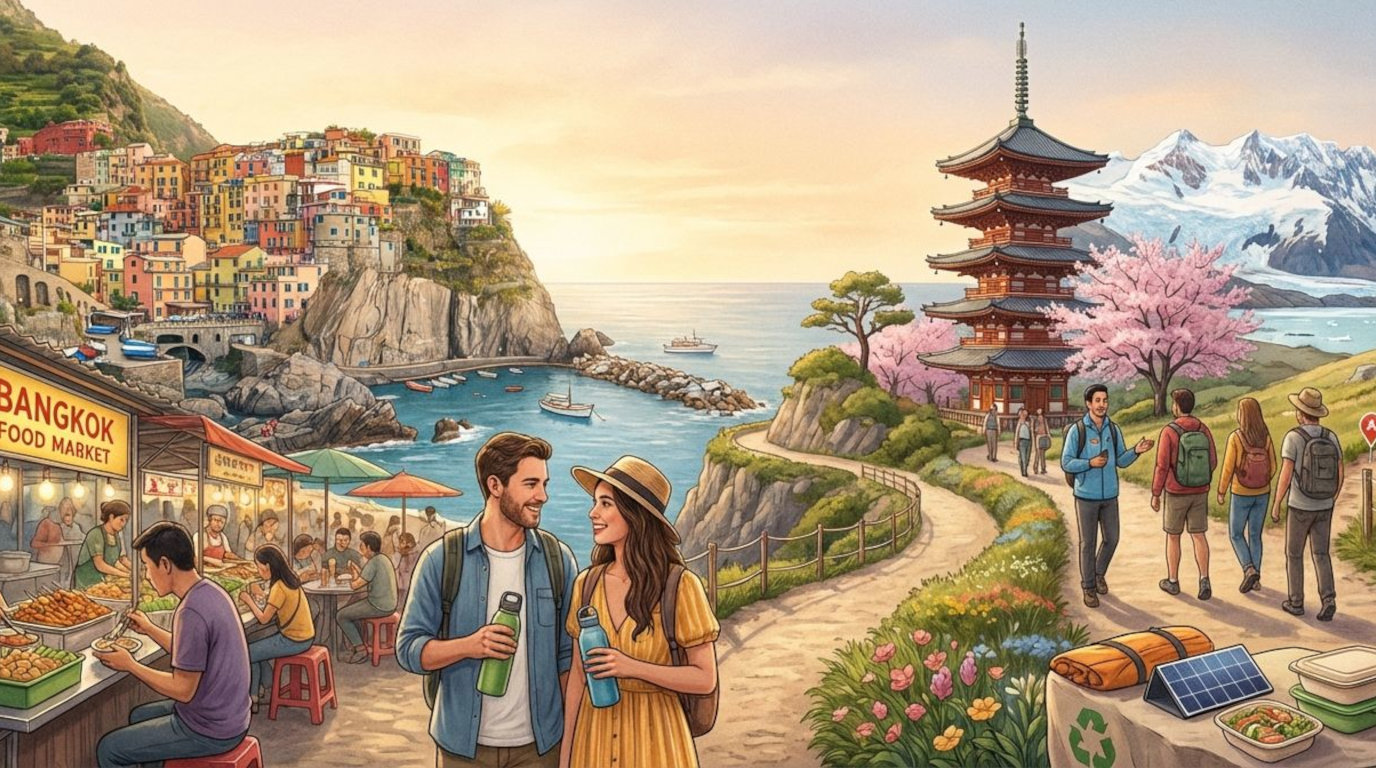
Tourist destinations are more than coordinates on a map — they are gateways to culture, history, adventure, and unforgettable experiences. Whether you’re dreaming of bustling cities, tranquil beaches, or immersive cultural journeys, this guide will help you plan responsibly and travel smarter.
Why choose your tourist destinations carefully?
Choosing the right tourist destinations can transform a trip from ordinary to extraordinary. Thoughtful selection helps you align the itinerary with your travel style, budget, and time constraints. It also increases the likelihood of meaningful cultural interactions and reduces stress associated with logistics.
How to pick the best tourist destinations for your trip
Follow these step-by-step tips to identify destinations that match your goals:
- Define your travel goals: Are you seeking adventure, relaxation, cultural immersion, or culinary experiences?
- Set a realistic budget: Include flights, accommodation, local transport, meals, entrances, and a contingency fund.
- Consider seasonality: Research peak and off-peak seasons to save money and avoid crowds.
- Prioritize experiences: Choose destinations that offer your must-do activities (hiking, museums, festivals).
- Assess accessibility: Check visa requirements, flight connections, and local transportation options.
- Evaluate safety and health: Review official travel advisories and health recommendations.
Destination types and examples
To diversify your bucket list, consider these destination types and sample locations:
1. Cultural and historical destinations
- Kyoto, Japan — traditional temples, tea houses, and seasonal festivals.
- Rome, Italy — ancient ruins and world-class museums.
- Cuzco & Machu Picchu, Peru — Inca heritage and breathtaking mountain treks.
2. Natural wonders and adventure destinations
- Patagonia, Argentina & Chile — glaciers, trekking, and dramatic landscapes.
- Banff, Canada — alpine lakes and wildlife spotting.
- Queenstown, New Zealand — adventure sports and hiking trails.
3. Beach and island escapes
- Bali, Indonesia — surf culture, rice terraces, and spiritual retreats.
- Amalfi Coast, Italy — coastal villages, cliffs, and Mediterranean cuisine.
- Maui, USA — beaches, volcanic parks, and whale watching.
4. Urban and culinary hotspots
- Barcelona, Spain — architecture, tapas, and vibrant neighborhoods.
- Bangkok, Thailand — street food, markets, and temples.
- New York City, USA — museums, theaters, and global dining scenes.
Planning your itinerary: Practical tips
After selecting prospective tourist destinations, create an itinerary that balances activity and rest:
- Prioritize must-see sites and group them by neighborhood to minimize transit time.
- Allow for downtime — aim for at least one lighter day after intensive travel or long tours.
- Book key experiences in advance for high-demand attractions (museums, guided tours, national parks).
- Build local flex time — leave room for spontaneous discoveries like street markets or local festivals.
Budgeting and booking strategies
To stretch your travel budget while visiting top tourist destinations:
- Use fare alerts and compare flights across multiple sites (Google Flights, Skyscanner).
- Consider alternative airports or flexible dates to save on airfare.
- Mix accommodations: combine hotels, guesthouses, and short-term rentals for variety and savings.
- Book activities locally when possible to support local guides and sometimes secure better prices.
Experience-focused travel: Culture, food, and interactions
Deep travel is rooted in meaningful cultural exchange. To enrich your visit to any tourist destination:
- Learn basic language phrases — greetings and polite expressions go a long way.
- Join small-group or local-guided tours to gain context and support community businesses.
- Eat where locals eat — street food and neighborhood markets often offer the most authentic flavors.
- Respect local customs and dress codes, especially at religious sites.
Sustainable and responsible travel tips
Travelers must consider their footprint. Practice sustainable habits when visiting tourist destinations:
- Choose eco-friendly accommodations or certified operators when possible.
- Minimize single-use plastics and carry a reusable bottle and bag.
- Support local economies by buying from artisans and hiring local guides.
- Respect wildlife and protected areas by following park rules and avoiding exploitative attractions.
For more on sustainable travel, consult resources like the UN World Tourism Organization and National Geographic Travel.
Safety, health, and travel documentation
Before you depart, make sure your documents and health precautions are in order:
- Check visa and entry requirements well ahead of time.
- Purchase travel insurance covering medical emergencies and trip interruption.
- Consult health advisories for recommended vaccinations and COVID-19 guidelines via official sources like the CDC or your country’s health authority.
- Register your trip with your embassy if recommended.
Packing smart for different destinations
Packing depends on destination type. Core rules apply universally:
- Pack light and versatile clothing that can be layered.
- Always include a basic first-aid kit, copies of documents, and a power adapter.
- Bring comfortable walking shoes — many top tourist destinations reward exploration on foot.
Sample 7-day itinerary ideas
Urban Culture Sprint (Barcelona)
- Day 1: Gothic Quarter walking tour and local tapas night.
- Day 2: Gaudí architecture — Sagrada Familia and Park Güell (book tickets in advance).
- Day 3: Museum day — Picasso Museum and MNAC.
- Day 4: Day trip to Montserrat or Girona.
- Day 5: Beach morning, market visits in the afternoon.
- Day 6: Culinary class or food market tour.
- Day 7: Leisure, shopping, and departure.
Nature & Trekking Week (Patagonia)
- Day 1: Arrive and acclimate; local town exploration.
- Day 2: Short hikes and viewpoint visits.
- Day 3: Full-day trek to iconic glacier viewpoints.
- Day 4: Boat trip to see glaciers up close (book ahead).
- Day 5: Wildlife spotting and photography day.
- Day 6: Cultural visit to local settlements or estancias.
- Day 7: Travel day and rest.
Technology and apps to help your travel
These tools streamline planning and on-the-ground navigation:
- Google Maps or Maps.me for offline navigation.
- Rome2rio for multi-modal route planning.
- TripIt or Google Travel to organize reservations.
- Xe Currency for quick conversions.
Final tips for memorable travel
- Slow down and give yourself time to connect with people and places.
- Keep a travel journal or photo diary — you’ll appreciate the memories later.
- Be flexible — the best travel moments are often unplanned.
- Respect local communities and travel with curiosity and humility.
Conclusion
Choosing the right tourist destinations and planning with intention will make your trips richer and more rewarding. Use this guide to build itineraries that balance discovery, comfort, and sustainability. Start small, prioritize experiences that matter to you, and always leave room for spontaneous adventure.
For further research on specific destinations, check authoritative resources like Lonely Planet and Tripadvisor for traveler reviews and up-to-date practical advice.
Continue your journey by visiting our other blog for more engaging content and valuable insights.